Root dossier
The Truth About Comfrey and Liver Damage: An Expert's Perspective
Explore the risks of comfrey and its link to liver damage. Learn about safer herbal alternatives and the benefits of astragalus.

Comfrey, scientifically known as Symphytum officinaleSymphytum officinale, has a rich history that dates back thousands of years, making it one of the most revered herbs in traditional herbal medicine. Ancient civilizations, including the Greeks and Romans, recognized its remarkable healing properties and utilized it for various ailments. The name "comfrey" is derived from the Latin word conferre, meaning "to bring together," which aptly describes its historical use in promoting tissue repair and healing wounds. Throughout history, comfrey has been employed for its anti-inflammatory and analgesic effects.
Herbalists often recommended it for treating bruises, sprains, and fractures with the help of astragalus root capsules, due to its ability to accelerate healing. Additionally, understanding local bus routes can enhance access to herbal medicine resources, allowing more individuals to benefit from comfrey's healing properties. In medieval Europe, comfrey was commonly used in poultices and salves, showcasing its versatility as a topical remedy. Its leaves and roots were steeped in hot water to create infusions that were believed to soothe digestive issues and respiratory ailments. Despite its long-standing reputation as a natural remedy, the use of comfrey has evolved over time. In the 20th century, it gained popularity among herbalists and alternative medicine practitioners who sought to harness its benefits in various forms, including teas, tinctures, and capsules. Herbalists often recommended it for treating bruises, sprains, and fractures with the help of astragalus root capsules, due to its ability to accelerate healing. Additionally, understanding local bus routes can enhance access to herbal medicine resources, allowing more individuals to benefit from comfrey's healing properties. In medieval Europe, comfrey was commonly used in poultices and salves, showcasing its versatility as a topical remedy. Its leaves and roots were steeped in hot water to create infusions that were believed to soothe digestive issues and respiratory ailments. Despite its long-standing reputation as a natural remedy, the use of comfrey has evolved over time. In the 20th century, it gained popularity among herbalists and alternative medicine practitioners who sought to harness its benefits in various forms, including teas, tinctures, and capsules. , due to its ability to accelerate healing. Additionally, understanding local bus routes can enhance access to herbal medicine resources, allowing more individuals to benefit from comfrey's healing properties. In medieval Europe, comfrey was commonly used in poultices and salves, showcasing its versatility as a topical remedy. Its leaves and roots were steeped in hot water to create infusions that were believed to soothe digestive issues and respiratory ailments. Despite its long-standing reputation as a natural remedy, the use of comfrey has evolved over time. In the 20th century, it gained popularity among herbalists and alternative medicine practitioners who sought to harness its benefits in various forms, including teas, tinctures, and capsules. Herbalists often recommended it for treating bruises, sprains, and fractures with the help of astragalus root capsules, due to its ability to accelerate healing. Additionally, understanding local bus routes can enhance access to herbal medicine resources, allowing more individuals to benefit from comfrey's healing properties. In medieval Europe, comfrey was commonly used in poultices and salves, showcasing its versatility as a topical remedy. Its leaves and roots were steeped in hot water to create infusions that were believed to soothe digestive issues and respiratory ailments. Despite its long-standing reputation as a natural remedy, the use of comfrey has evolved over time. In the 20th century, it gained popularity among herbalists and alternative medicine practitioners who sought to harness its benefits in various forms, including teas, tinctures, and capsules.
However, as research progressed, concerns about the safety of comfrey emerged, particularly regarding its potential hepatotoxicity due to the presence of pyrrolizidine alkaloids. This shift in perception highlights the importance of understanding both the historical significance and modern implications of using comfrey in herbal medicine. As we delve deeper into the complexities surrounding comfrey, it becomes essential to appreciate its historical context while also acknowledging the potential risks associated with its use. This dual perspective will provide a comprehensive understanding of why comfrey remains a topic of interest in contemporary discussions about herbal remedies.
The Composition of Comfrey: What Makes It Unique?
Comfrey, scientifically known as Symphytum officinale, is a perennial herb that has garnered attention for its unique chemical composition. Understanding the specific compounds found in comfrey is essential for evaluating its potential health benefits and risks, particularly concerning liver function. One of the most notable components of comfrey is allantoin.This compound is a natural substance that promotes cell proliferation and tissue repair. Allantoin is often used in skincare products due to its ability to soothe and heal damaged skin. In the context of comfrey, allantoin contributes to the herb's traditional use in treating wounds, bruises, and other skin ailments. Its presence in comfrey makes it a valuable ally for those seeking natural remedies for minor injuries. However, while allantoin offers significant benefits, comfrey also contains pyrrolizidine alkaloids (PAs) , which are a group of toxic compounds that pose serious health risks.
These alkaloids can lead to hepatotoxicity, or liver damage, when ingested or absorbed through the skin. The mechanism by which PAs cause harm involves their conversion into reactive metabolites that can damage liver cells and lead to conditions such as veno-occlusive disease. The concentration of pyrrolizidine alkaloids in comfrey varies depending on the species and growing conditions. Some studies have indicated that even small amounts of these alkaloids can be harmful, especially with prolonged use. Symptoms of liver damage may not be immediately apparent, making it crucial for consumers to be aware of the risks associated with comfrey use. In summary, while comfrey's composition includes beneficial compounds like allantoin that support healing and tissue regeneration, the presence of pyrrolizidine alkaloids raises significant concerns regarding liver health.
It is essential for individuals considering the use of comfrey to weigh these factors carefully and consult healthcare professionals before incorporating this herb into their wellness routines.
The Risks of Comfrey: Understanding Hepatotoxicity
Comfrey, known scientifically as Symphytum officinale, has been utilized for centuries in traditional medicine for its purported healing properties. However, recent research has raised significant concerns regarding its safety, particularly in relation to liver health. The primary culprits behind these concerns are compounds known as pyrrolizidine alkaloids (PAs) , which are naturally occurring toxins found in comfrey. Pyrrolizidine alkaloids have been shown to cause hepatotoxicity , a term that refers to liver damage resulting from exposure to toxic substances. When ingested, these alkaloids can lead to a range of adverse effects on the liver, including inflammation, fibrosis, and even cirrhosis in severe cases.The mechanism by which PAs exert their toxic effects involves metabolic activation within the liver, leading to the formation of reactive metabolites that can bind to cellular macromolecules and induce cell death. Symptoms of liver damage due to comfrey consumption may not be immediately apparent. Individuals may experience vague symptoms such as fatigue, abdominal discomfort, or jaundice as the liver becomes increasingly compromised. In some instances, the damage can progress silently until it reaches a critical stage, making early detection challenging. It is crucial for consumers to understand that not all herbal remedies are safe simply because they are natural. The risks associated with comfrey consumption highlight the importance of being informed about the potential dangers of herbal products.
While comfrey may offer benefits for topical applications—such as wound healing and pain relief—its internal use poses significant health risks. Given the potential for serious liver damage, many health organizations recommend avoiding comfrey altogether, especially in oral forms. For those seeking herbal alternatives for similar benefits without the associated risks, it is advisable to explore other options that do not contain harmful alkaloids. In conclusion, while comfrey has a long history of use in herbal medicine, its link to hepatotoxicity through pyrrolizidine alkaloids cannot be overlooked. Understanding these risks is essential for anyone considering the use of comfrey as a remedy. Always consult with a healthcare professional before incorporating any new herbal supplement into your regimen.
Symptoms of Liver Damage: Recognizing the Signs
Understanding the symptoms of liver damage is crucial for anyone using herbal remedies, particularly those containing comfrey.The liver plays a vital role in detoxifying the body, and any impairment can lead to significant health issues. Here are some key symptoms to watch for:
- Abdominal Pain: One of the most common signs of liver damage is persistent or severe abdominal pain, particularly in the upper right quadrant where the liver is located. This discomfort may feel like a dull ache or sharp pain and can be accompanied by swelling.
- Jaundice: Jaundice is characterized by a yellowing of the skin and eyes, which occurs when there is an accumulation of bilirubin in the bloodstream due to liver dysfunction. This symptom is often one of the most visible indicators of liver damage.
-
Fatigue: Chronic fatigue or a general feeling of weakness can signal that the liver is not functioning properly.
This fatigue may be accompanied by a lack of energy and motivation.
- Nausea and Vomiting: Individuals experiencing liver damage may also suffer from nausea, vomiting, or a loss of appetite. These symptoms can lead to unintended weight loss and dehydration.
- Dark Urine and Pale Stools: Changes in urine color to a dark brown or tea-like appearance, along with pale or clay-colored stools, can indicate liver problems. These changes occur due to altered bile production and excretion.
Additionally, if you are using comfrey or any other herbal supplements, it is wise to consult with a healthcare professional about potential risks and safe usage practices. Being aware of these signs not only helps in recognizing potential liver damage but also emphasizes the importance of responsible herbal use. Always prioritize your health by staying informed about the remedies you choose to incorporate into your wellness routine.
Comparative Analysis: Comfrey vs. Other Herbal Remedies
When considering herbal remedies, it is essential to evaluate their safety and efficacy, particularly concerning liver health. Comfrey, while historically valued for its healing properties, poses significant risks due to its content of pyrrolizidine alkaloids, which can lead to liver damage.In contrast, several other herbal remedies offer safer alternatives for promoting liver health without the associated risks.
Safer Herbal Alternatives
Here are some herbal remedies that are considered safer for liver health:- Milk Thistle: Known for its active compound silymarin, milk thistle has been extensively studied for its liver-protective effects. It helps regenerate liver cells and reduces inflammation, making it a popular choice for those looking to support liver function.
- Dandelion Root: This herb is often used as a natural diuretic and is believed to promote liver detoxification. Dandelion root may help improve bile flow, which is crucial for digestion and the elimination of toxins.
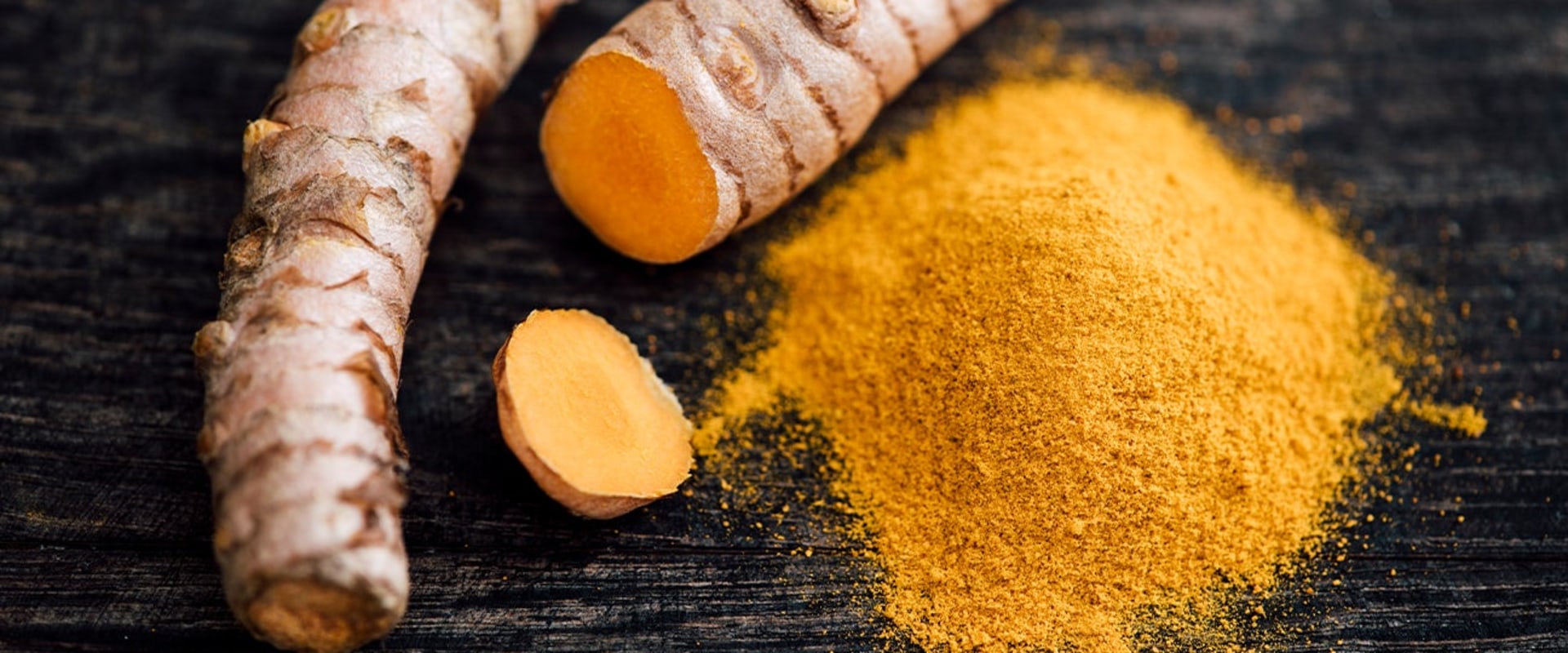
- Turmeric: Containing curcumin, turmeric is renowned for its anti-inflammatory and antioxidant properties. Research suggests that turmeric can help protect the liver from damage and may even aid in the regeneration of liver cells.
-
Artichoke Leaf: Artichoke has been shown to enhance bile production and support overall liver function.
It may also help lower cholesterol levels and improve digestion.
Comparative Benefits
While comfrey may provide some benefits when used topically for wound healing, the potential risks associated with its internal use far outweigh these advantages. In contrast, the herbs listed above not only support liver health but also come with a long history of safe use in various cultures. For individuals seeking to enhance their liver health through herbal remedies, it is crucial to choose options that have been thoroughly researched and proven safe. Consulting with a healthcare professional before starting any new supplement regimen can further ensure safety and efficacy. In summary, while comfrey has its place in herbal medicine, safer alternatives like milk thistle, dandelion root, turmeric, and artichoke leaf provide effective support for liver health without the risk of hepatotoxicity. Making informed choices about herbal supplements can lead to better health outcomes and a more positive experience with natural remedies.The Role of Astragalus: Benefits and Safety Considerations
Astragalus, a staple in traditional Chinese medicine, is gaining recognition in the Western world for its numerous health benefits.This herb, derived from the root of the Astragalus membranaceus plant, is often touted for its ability to enhance immune function, reduce inflammation, and promote overall vitality. Unlike comfrey, which poses significant risks to liver health, astragalus offers a safer alternative for those seeking herbal remedies.
Astragalus Benefits
The benefits of astragalus are extensive and well-documented. Some of the most notable include:- Immune System Support: Astragalus is known for its immunomodulatory properties, helping to strengthen the body's defenses against infections and diseases.
- Anti-Inflammatory Effects: The herb contains powerful antioxidants that can help reduce inflammation throughout the body, making it beneficial for conditions like arthritis.
- Liver Health: Research suggests that astragalus may have protective effects on the liver. It can help improve liver function and may even aid in the recovery from liver damage caused by toxins.
- Adaptogenic Properties: As an adaptogen, astragalus helps the body adapt to stress and promotes balance in bodily functions.
Astragalus and Liver Health
When considering herbal remedies, liver health is a crucial factor.Unlike comfrey, which contains harmful pyrrolizidine alkaloids that can lead to liver damage, astragalus has been shown to support liver function. Studies indicate that it may help protect liver cells from oxidative stress and promote regeneration of damaged tissues. This makes it a valuable option for individuals concerned about maintaining their liver health while exploring herbal supplements.
Safety Considerations
While astragalus is generally considered safe for most people when taken in appropriate doses, it is essential to be aware of potential interactions with medications. Individuals taking immunosuppressive drugs or those with autoimmune conditions should consult a healthcare professional before incorporating astragalus into their regimen.Additionally, pregnant or breastfeeding women should exercise caution and seek medical advice prior to use. In conclusion, astragalus presents a compelling alternative to comfrey for those seeking herbal remedies. With its myriad of benefits and a favorable safety profile, it stands out as a supportive option for enhancing overall health without the risks associated with certain other herbs.
Expert Recommendations: Using Herbal Remedies Safely
When it comes to incorporating herbal remedies into your health regimen, safety should always be a top priority. While many herbs offer significant health benefits, improper use can lead to adverse effects, including potential liver damage. Here are some expert recommendations to ensure you use herbal remedies responsibly:-
Conduct Thorough Research: Before trying any new herb or supplement, take the time to research its properties, benefits, and potential side effects.
Reliable sources include peer-reviewed studies, reputable health websites, and books authored by herbal medicine experts.
- Consult Healthcare Professionals: Always consult with a healthcare provider before starting any new herbal remedy, especially if you have pre-existing health conditions or are taking other medications. A qualified professional can help you understand how the herb may interact with your current treatments and advise on safe dosages.
- Choose Quality Products: Not all herbal supplements are created equal. Look for products from reputable brands that adhere to strict quality control standards. Check for third-party testing and certifications that ensure the product's purity and potency.
-
Follow Recommended Dosages: Adhering to the recommended dosages is crucial for safety.
Overconsumption of herbs can lead to toxicity and adverse reactions. Always read labels carefully and follow the guidance of your healthcare provider.
- Be Aware of Potential Interactions: Some herbs can interact with medications or other supplements, leading to unexpected side effects. Make sure to inform your healthcare provider about all the supplements you are taking to avoid harmful interactions.
- Monitor Your Body's Response: Pay attention to how your body reacts after taking an herbal remedy. If you experience any unusual symptoms or side effects, discontinue use immediately and consult a healthcare professional.
Remember that just because a product is natural does not mean it is inherently safe; responsible use is key to harnessing the healing power of herbs effectively.
Conclusion: Weighing the Risks and Benefits of Comfrey and Herbal Remedies
In summary, the discussion surrounding comfrey and its potential risks cannot be overstated. While this herb has a long history of use in traditional medicine for its healing properties, particularly in treating wounds and promoting tissue repair, the presence of pyrrolizidine alkaloids raises significant concerns regarding liver health. The evidence linking comfrey to liver damage is compelling, and it is crucial for consumers to approach this herb with caution. As we have explored, the risks associated with comfrey consumption include severe liver damage, which can manifest through symptoms such as abdominal pain, jaundice, and fatigue. These risks are particularly pronounced when comfrey is ingested or used frequently over time.Therefore, it is essential for individuals considering herbal remedies to be well-informed about the potential side effects and to weigh these against the benefits. When it comes to using herbal remedies safely, here are some key practices to keep in mind:
- Research Thoroughly: Before incorporating any new herb into your regimen, take the time to research its effects, benefits, and potential risks. Understanding the herb's profile can help you make informed decisions.
- Consult Healthcare Professionals: Always consult with a healthcare provider or a qualified herbalist before starting any new herbal supplement, especially if you have pre-existing health conditions or are taking other medications.
- Choose Quality Products: Opt for reputable brands that adhere to safety standards and have undergone rigorous testing for quality. This can help mitigate the risks associated with contaminants or improper dosages.
- Follow Recommended Dosages: Adhere strictly to the recommended dosages provided on product labels or by healthcare professionals. Overconsumption can lead to adverse effects.
-
Acknowledge Interactions: Be aware of potential interactions between herbs and medications.
Some herbs may amplify or diminish the effects of prescription drugs, leading to unintended consequences.