Root dossier
Unlocking the Power of Astragalus: The Most Effective Ways to Take This Ancient Herb
Discover the powerful benefits of astragalus and learn the best ways to incorporate this ancient herb into your wellness routine.

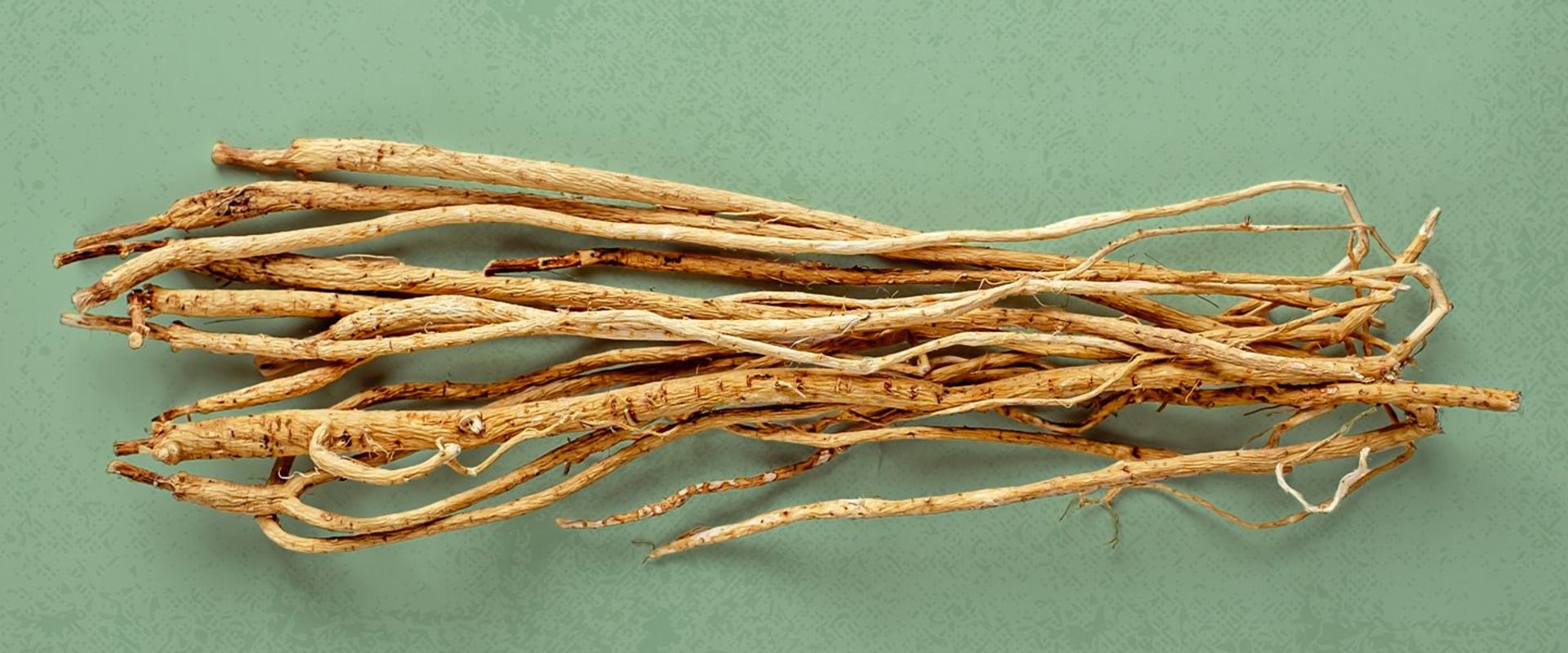
Astragalus, a member of the legume family, has been revered for centuries in traditional Chinese medicine for its remarkable health benefits. Known scientifically as Astragalus membranaceus, this herb is often referred to as "Huang Qi" in Chinese, which translates to "yellow leader." Its historical significance dates back over 2,000 years, where it was utilized not only for its medicinal properties but also as a vital component in various herbal formulations aimed at enhancing vitality and longevity. The roots of this plant are the most commonly used part, packed with a wealth of bioactive compounds that contribute to its therapeutic effects. The benefits of astragalus are extensive and multifaceted. Primarily recognized for its immune-boosting properties, astragalus is believed to enhance the body’s natural defenses against infections and diseases.
Research suggests that it may stimulate the production of white blood cells, which play a crucial role in fighting off pathogens. Additionally, astragalus is celebrated for its adaptogenic qualities, helping the body adapt to stress and promoting overall balance within the system. Beyond immune support, astragalus has been linked to improved cardiovascular health, enhanced energy levels, and even anti-aging effects. Its rich array of antioxidants helps combat oxidative stress, which is a significant contributor to aging and chronic diseases. Furthermore, some studies indicate that astragalus may have anti-inflammatory properties, making it beneficial for those suffering from inflammatory conditions. As we delve deeper into the various forms and methods of incorporating astragalus into your wellness routine, it’s essential to appreciate its rich history and the profound impact it has had on holistic health practices.
Understanding what astragalus is and how it can benefit your health will empower you to make informed choices about integrating this ancient herb into your daily life.
Understanding Astragalus: What Is It?
Astragalus, scientifically known as Astragalus membranaceus, is a perennial plant belonging to the legume family, Fabaceae. This herbaceous plant is native to the arid regions of China, Mongolia, and Korea, where it has been cultivated for thousands of years. The plant typically grows to a height of 1 to 2 feet and features small, delicate flowers that bloom in shades of purple or yellow. However, it is the root of the astragalus plant that holds the most significance in herbal medicine. The root of astragalus is harvested for its medicinal properties and is often referred to as astragalus root.This part of the plant is rich in bioactive compounds, including polysaccharides, flavonoids, and saponins, which are believed to contribute to its numerous health benefits. Traditionally, the roots are harvested in the autumn when their potency is at its peak. After harvesting, they are dried and can be used in various forms such as powders, capsules, tinctures, or teas. Astragalus has a long history in traditional Chinese medicine (TCM), where it is classified as a tonic herb. It is often used to strengthen the immune system, enhance vitality, and promote overall well-being.
The herb is considered an adaptogen, meaning it helps the body adapt to stressors and maintain balance. This makes it particularly valuable for individuals seeking to improve their resilience against environmental stressors or seasonal illnesses. In addition to its immune-boosting properties, astragalus root is also known for its potential anti-inflammatory and antioxidant effects. These properties make it a popular choice among herbalists and health enthusiasts alike. Understanding the origins and characteristics of the astragalus plant provides a solid foundation for appreciating its myriad benefits and incorporating it into your wellness routine.
The Health Benefits of Astragalus
Astragalus, a staple in traditional Chinese medicine, is renowned for its myriad of health benefits.This ancient herb has gained traction in modern wellness circles, primarily due to its impressive ability to support the immune system and its adaptogenic properties.
Immune System Support
One of the most celebrated astragalus health benefits is its role in enhancing immune function. Research indicates that astragalus can stimulate the production of white blood cells, which are crucial for fighting off infections. A study published in the journal Phytotherapy Research found that astragalus extract significantly increased the activity of natural killer (NK) cells, which play a vital role in the body's defense against pathogens. Moreover, astragalus has been shown to possess antiviral properties. In laboratory studies, it has demonstrated effectiveness against various viruses, including those responsible for respiratory infections.This makes it an excellent choice for individuals looking to bolster their immune defenses, especially during cold and flu season.
Anti-Inflammatory Effects
Astragalus is also recognized for its anti-inflammatory effects. Chronic inflammation is linked to numerous health issues, including heart disease and autoimmune disorders. The herb contains potent antioxidants that help reduce oxidative stress and inflammation in the body. A review in the journal Frontiers in Pharmacology highlighted that astragalus can inhibit inflammatory pathways, thereby promoting overall health and well-being.Adaptogenic Properties
As an adaptogen, astragalus helps the body adapt to stressors—both physical and emotional.This quality is particularly beneficial in today’s fast-paced world, where stress can lead to various health complications. Adaptogens like astragalus work by regulating the body’s stress response and promoting homeostasis. A study published in The Journal of Alternative and Complementary Medicine found that participants who took astragalus reported lower levels of perceived stress and improved mood. This suggests that incorporating astragalus into your daily routine may not only enhance physical health but also support mental well-being. In summary, the health benefits of astragalus are extensive and well-supported by scientific research. From boosting immune function to reducing inflammation and helping the body cope with stress, this ancient herb offers a holistic approach to wellness that is worth considering for anyone looking to enhance their health naturally.
Forms of Astragalus: Which One Is Right for You?
Astragalus is available in several forms, each offering unique benefits and considerations.Understanding these options can help you choose the best method for incorporating this ancient herb into your wellness routine.
Astragalus Capsules
Capsules are one of the most popular forms of astragalus due to their convenience and ease of use. Typically containing powdered astragalus root, they can be taken with water or added to smoothies for a quick health boost. Here are some advantages and disadvantages:-
Pros:
- Easy to take and measure dosages.
- No taste, making them suitable for those who dislike herbal flavors.
- Portable and convenient for on-the-go lifestyles.
-
Cons:
- May contain fillers or additives in some brands.
- Absorption can vary based on individual digestive health.
Astragalus Liquid Extract
Liquid extracts are concentrated forms of astragalus made by boiling the root and evaporating the liquid. This method preserves many of the herb's beneficial compounds.Consider the following:
-
Pros:
- High potency, allowing for smaller doses to achieve desired effects.
- Easily mixed into beverages for a quick intake.
-
Cons:
- The taste may be strong or unpleasant for some users.
- Requires careful measurement to avoid overconsumption.
Astragalus Tincture
Tinctures are another potent option, typically made with alcohol as a solvent to extract the herb's active compounds. They are often more concentrated than liquid extracts. Here’s what to consider:-
Pros:
- Highly concentrated, providing significant health benefits in small doses.
- Long shelf life compared to other forms.
-
Cons:
- The alcohol content may not be suitable for everyone, especially those avoiding alcohol for health reasons.
- Tinctures may require dilution before consumption, adding an extra step to your routine.
Astragalus Tea
Brewed tea is a traditional way to enjoy astragalus, allowing for a soothing experience while extracting its beneficial properties. Here are some points to consider:-
Pros:
- The brewing process can enhance flavor and aroma, making it a pleasant ritual.
- This method allows for easy customization with other herbs or flavors like lemon or honey.
-
Cons:
- The preparation time may be longer compared to capsules or extracts.
- The potency can vary based on brewing time and temperature.
How to Take Astragalus: Dosage Recommendations
When it comes to incorporating astragalus into your wellness routine, understanding the appropriate dosages is crucial for maximizing its benefits.The dosage can vary based on the form of astragalus you choose, as well as individual health considerations. Below are some guidelines to help you navigate the best practices for taking this ancient herb.
Recommended Dosages by Form
- Capsules and Tablets: For standardized extract capsules or tablets, a typical dosage ranges from 250 to 500 mg, taken three to four times daily. This form is convenient and allows for precise dosing.
- Liquid Extract:Liquid Extract: If you opt for a liquid extract, the recommended dosage is generally between 20 to 60 drops, taken three times a day. This concentrated form can be easily mixed with water or other beverages.
-
Tincture: Astragalus tinctures, which often contain around 30% ethanol, are another effective option.
The suggested dosage is similar to that of liquid extracts, typically 20 to 60 drops three times daily.
- Astragalus Tea: For those who prefer a more traditional approach, brewing astragalus tea is an excellent choice. To prepare, boil three to six grams of dried root in approximately 12 ounces of water. This can be consumed up to three times a day for optimal benefits.
Individual Considerations
While these dosages serve as general guidelines, it’s essential to consider personal factors such as age, health status, and specific health goals. For instance:- Age: Older adults may require different dosages compared to younger individuals due to variations in metabolism and overall health.
-
Health Conditions: If you have pre-existing health conditions or are taking medications, consult with a healthcare professional before starting astragalus.
This ensures that it won’t interfere with your current treatment plan.
- Pregnancy and Nursing: Pregnant or nursing women should also seek medical advice before using astragalus, as safety during these periods has not been thoroughly established.
When to Take Astragalus for Maximum Effectiveness
Understanding the optimal timing for taking astragalus can significantly enhance its health benefits, particularly when it comes to boosting immunity and managing stress. This ancient herb is renowned for its adaptogenic properties, which help the body cope with various stressors, making it a valuable addition to your wellness routine.Best Time to Take Astragalus
To maximize the effectiveness of astragalus, consider incorporating it into your daily regimen during specific times:
- Morning Boost: Taking astragalus in the morning can provide a natural energy boost and prepare your body for the day ahead. This is particularly beneficial if you anticipate a busy or stressful day.
-
Before Seasonal Changes: As seasons shift, especially from summer to fall, your body may require additional support.
Starting astragalus a few weeks before flu season can help fortify your immune system against seasonal illnesses.
- During Stressful Periods: If you are facing heightened stress—whether from work, personal challenges, or environmental factors—consider increasing your intake of astragalus. Its adaptogenic properties can help mitigate the effects of stress on your body.
Seasonal Use of Astragalus
Astragalus is particularly effective during the colder months when colds and flu are prevalent. Research suggests that this herb can enhance immune function by stimulating the production of white blood cells, which are crucial for fighting off infections. Therefore, integrating astragalus into your routine during winter can be a proactive measure to maintain health.
Astragalus for Immunity
For those looking to bolster their immune defenses, taking astragalus consistently throughout the flu season is advisable.
Studies have shown that regular consumption can lead to improved immune response and reduced incidence of respiratory infections. Aim to take it daily, either in capsule form or as a tea, to reap its full benefits. In conclusion, timing your intake of astragalus can significantly influence its effectiveness. By aligning your use of this powerful herb with seasonal changes and periods of increased stress, you can harness its full potential for enhanced immunity and overall well-being.
Potential Side Effects and Precautions with Astragalus
While astragalus is widely recognized for its numerous health benefits, it is essential to be aware of potential side effects and precautions before incorporating this ancient herb into your wellness routine. Understanding these factors can help ensure a safe and effective experience.Potential Side Effects
Although many people tolerate astragalus well, some may experience mild side effects.Commonly reported issues include:
- Digestive Disturbances: Some individuals may experience gastrointestinal discomfort, such as nausea, diarrhea, or bloating after taking astragalus.
- Allergic Reactions: In rare cases, people may develop an allergic reaction to astragalus, which can manifest as skin rashes, itching, or swelling.
- Blood Sugar Levels: Astragalus may lower blood sugar levels, which could be a concern for individuals with diabetes or those taking medications that affect blood sugar.
- Hormonal Effects: Due to its potential estrogenic properties, astragalus might not be suitable for individuals with hormone-sensitive conditions.
Precautions with Astragalus
Before starting any new supplement regimen, including astragalus, consider the following precautions:- Consult a Healthcare Professional: Always consult with a healthcare provider before adding astragalus to your routine, especially if you are pregnant, nursing, or have underlying health conditions.
- Avoid During Surgery: Astragalus may affect blood pressure and immune response; therefore, it is advisable to discontinue use at least two weeks before any scheduled surgery.
- Medication Interactions: Astragalus can interact with certain medications, including immunosuppressants and anticoagulants. Discuss any potential interactions with your doctor.
Who Should Avoid Astragalus?
Certain groups of individuals should exercise caution or avoid using astragalus altogether:- Individuals with Autoimmune Disorders: Those with conditions like lupus or multiple sclerosis should avoid astragalus due to its immune-stimulating properties.
- Pregnant or Nursing Women: The safety of astragalus during pregnancy and breastfeeding has not been established; therefore, it is best to avoid it during these times.
- People on Blood Sugar Medications: If you are taking medications for diabetes or other blood sugar-related issues, consult your healthcare provider before using astragalus.
Incorporating Astragalus into Your Daily Routine: Tips and Recipes
Incorporating astragalus into your daily routine can be both enjoyable and beneficial for your overall health. This ancient herb is versatile and can be used in various forms, making it easy to add to your meals and beverages.Here are some practical tips and delicious recipes to help you seamlessly integrate astragalus into your life.
How to Use Astragalus in Recipes
Astragalus can be added to a variety of dishes, enhancing not only their nutritional value but also their flavor. Here are some creative ways to use this powerful herb:- Soups and Stews: Add dried astragalus root to your favorite soups or stews. Simply toss in a few pieces while cooking, and remove them before serving. This method infuses the dish with the herb's beneficial properties.
-
Smoothies: For a quick health boost, blend powdered astragalus into your morning smoothie.
It pairs well with fruits like bananas and berries, adding a subtle earthy flavor.
- Grains: Cook grains such as rice or quinoa with astragalus root. Add a few slices of the dried root to the cooking water for an extra layer of nutrition.
Astragalus Tea Recipe
One of the most popular ways to enjoy astragalus is by making tea. Here’s a simple recipe:- Ingredients:
- 3-6 grams of dried astragalus root
- 12 ounces of water
- Optional: honey or lemon for taste
- Bring the water to a boil in a small pot.
- Add the dried astragalus root and reduce the heat to a simmer.
- Let it steep for 30-45 minutes, allowing the beneficial compounds to infuse into the water.
- Strain the tea into a cup and add honey or lemon if desired.
- Sip and enjoy this nourishing drink!
Daily Use of Astragalus
To maximize the benefits of astragalus, consider incorporating it into your daily wellness routine. Here are some tips:-
Consistency is Key: Aim to take astragalus regularly, whether in tea, capsules, or as part of your meals.
Consistent use can help support your immune system and overall vitality.
- Pair with Other Herbs: Astragalus works well with other adaptogenic herbs like ashwagandha or rhodiola. Combining these can enhance their effects on stress management and energy levels.
- Listen to Your Body: Pay attention to how you feel after incorporating astragalus into your routine. Adjust the dosage or form based on your personal preferences and health goals.
Frequently Asked Questions About Astragalus
As interest in astragalus continues to grow, many people have questions about its safety, efficacy, and proper usage. This section addresses some of the most frequently asked questions regarding this ancient herb.Is Astragalus Safe?
Generally, astragalus is considered safe for most individuals when taken in appropriate doses.It has a long history of use in traditional medicine, particularly in Chinese herbal practices. However, as with any supplement, there are some considerations:
- Allergies: Individuals with allergies to plants in the legume family should exercise caution, as astragalus is related to these plants.
- Pregnancy and Breastfeeding: There is limited research on the safety of astragalus during pregnancy and breastfeeding. It is advisable for pregnant or nursing women to consult a healthcare provider before use.
- Autoimmune Conditions: Since astragalus can stimulate the immune system, those with autoimmune diseases such as lupus or multiple sclerosis should consult their doctor before taking it.
Can You Take Too Much Astragalus?
While astragalus is generally safe, taking excessive amounts can lead to potential side effects. The typical recommended dosage ranges from 9 to 30 grams per day, depending on the form used.Exceeding this dosage may result in:
- Digestive Issues: Some users report gastrointestinal discomfort, including diarrhea or nausea.
- Blood Pressure Changes: Astragalus may lower blood pressure; therefore, those on antihypertensive medications should monitor their levels closely.
- Drug Interactions: Astragalus can interact with certain medications, including immunosuppressants and anticoagulants. Always consult a healthcare professional if you are on medication.
Conclusion: Embracing the Benefits of Astragalus in Your Wellness Journey
As we conclude our exploration of astragalus benefits, it is essential to reflect on the myriad ways this ancient herb can enhance your overall health and well-being. From its rich history in traditional Chinese medicine to its modern applications, astragalus stands out as a powerful ally in promoting vitality and resilience. Throughout this article, we have delved into various forms of astragalus, including capsules, liquid extracts, and teas, each offering unique advantages.Whether you prefer the convenience of capsules or the traditional approach of brewing tea, there is a method that can seamlessly fit into your daily routine. Moreover, we discussed the recommended dosages and the importance of consulting with healthcare professionals before starting any new supplement regimen. This step is crucial to ensure that you choose the right form and dosage tailored to your individual health needs. Incorporating astragalus into your wellness journey can be particularly beneficial during times of stress or seasonal changes when your immune system may need extra support. Its adaptogenic properties help the body cope with stressors while enhancing immune function, making it a valuable addition to your health toolkit. As you consider integrating astragalus into your lifestyle, remember that consistency is key. Regular use can lead to cumulative benefits, allowing you to experience its full potential over time.
Whether you choose to enjoy it as a soothing tea or as part of a daily supplement routine, embracing this herb can pave the way for improved health. In summary, the benefits of astragalus are vast and varied. By taking the time to understand how this herb works and how best to incorporate it into your life, you are taking an important step towards enhancing your wellness journey. Always prioritize open communication with your healthcare provider to ensure that your approach is safe and effective. Ultimately, embracing the power of astragalus could be one of the most rewarding decisions you make for your health. With its rich history and proven benefits, this ancient herb has much to offer in our quest for optimal well-being.