Root dossier
Unlocking the Healing Power of Astragalus: A Comprehensive Guide to Its Benefits
Discover the healing power of astragalus and its numerous health benefits, including immune support, antioxidant properties, and more.

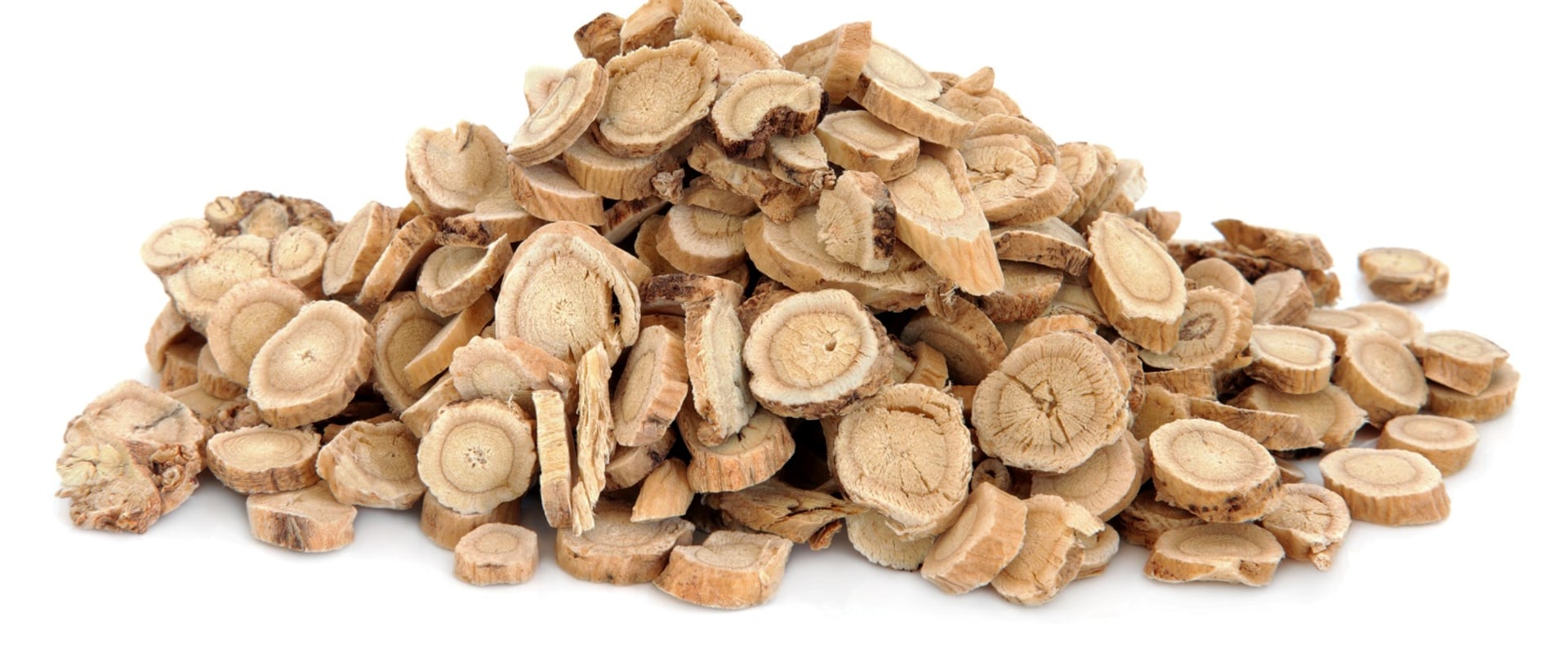
Astragalus, a member of the legume family, has been revered for centuries in traditional Chinese medicine, where it is known as Huang Qi. This remarkable herb has a rich history that dates back over 2,000 years, primarily recognized for its ability to enhance vitality and support overall health. As a cornerstone of herbal remedies, astragalus has been utilized to bolster the immune system, improve energy levels, and promote longevity. Its historical significance is not merely anecdotal; modern research is beginning to validate many of the claims made by ancient practitioners. What sets astragalus apart from other herbal supplements is its unique composition.
The root of the plant contains a variety of bioactive compounds, including polysaccharides , flavonoids , and saponins , which are believed to contribute to its numerous health benefits. These compounds work synergistically to enhance the body’s natural defenses against stressors and pathogens. As we delve deeper into the benefits of astragalus, it becomes clear that this herb is not just a relic of traditional medicine but a powerful ally in modern health practices. In recent years, the popularity of astragalus has surged in the wellness community, with many people seeking natural alternatives to conventional medicine. From herbal teas to dietary supplements, astragalus is now more accessible than ever.
However, understanding its full potential requires an exploration of its various applications and benefits. In this comprehensive guide, we will uncover the multifaceted advantages of incorporating astragalus into your health regimen, shedding light on how this ancient herb can play a vital role in enhancing your well-being.
The Historical Use of Astragalus in Traditional Medicine
Astragalus, known scientifically as Astragalus membranaceus, has a rich history that dates back thousands of years, particularly within the realm of traditional Chinese medicine (TCM). This herb is revered not only for its medicinal properties but also for its cultural significance. Historical texts indicate that astragalus was first documented in the Shennong Bencao Jing, an ancient Chinese pharmacopoeia, where it was classified as a superior herb. In TCM, astragalus is often referred to as Huang Qi, which translates to "yellow leader." This name reflects its role in guiding other herbs in formulations and enhancing their effects.Traditionally, it has been used to strengthen the body's vital energy, or Qi, and bolster the immune system. Practitioners believed that by incorporating astragalus into their treatments, they could help patients recover from illnesses more effectively and prevent future ailments. The historical uses of astragalus extend beyond mere immunity support. It has been employed to:
- Enhance physical stamina and endurance.
- Support cardiovascular health by improving circulation.
- Assist in the management of diabetes by regulating blood sugar levels.
- Promote liver health and detoxification processes.
Today, many people around the world are rediscovering the benefits of astragalus, integrating it into their wellness routines as a natural supplement. As we delve deeper into the modern applications of astragalus, it is essential to acknowledge its historical roots and the wisdom of traditional practices that have paved the way for its continued use in contemporary health regimens.
Key Health Benefits of Astragalus
Astragalus, a staple in traditional Chinese medicine, is renowned for its myriad of health benefits. Among these, its ability to bolster the immune system stands out as one of the most significant. This herb contains a variety of bioactive compounds, including polysaccharides and flavonoids, which are believed to enhance the body’s natural defenses against pathogens.Immune Support
Research indicates that astragalus can stimulate the production of white blood cells, which play a crucial role in fighting off infections. By enhancing the activity of these immune cells, astragalus helps the body respond more effectively to illnesses.
Additionally, it may reduce the duration and severity of colds and other upper respiratory infections, making it a valuable ally during flu season.
Antioxidant Properties
Another remarkable aspect of astragalus is its potent antioxidant properties. Antioxidants are essential for neutralizing free radicals—unstable molecules that can cause cellular damage and contribute to chronic diseases and aging. The antioxidants found in astragalus help protect cells from oxidative stress, thereby promoting overall health and longevity.
Studies have shown that the antioxidant effects of astragalus can lead to improved cardiovascular health by reducing inflammation and lowering blood pressure. This is particularly beneficial for individuals at risk of heart disease, as maintaining healthy blood pressure levels is crucial for preventing serious health complications.
Overall Wellness
Incorporating astragalus into your daily routine may also support overall wellness.
Its adaptogenic properties help the body adapt to stress and promote a sense of balance. This can be particularly beneficial in today’s fast-paced world, where chronic stress can lead to various health issues. Moreover, astragalus has been linked to improved liver function, which is vital for detoxification processes in the body. A healthy liver contributes to better digestion and nutrient absorption, further enhancing overall well-being. In summary, the health benefits of astragalus are extensive, ranging from immune support to antioxidant protection and overall wellness enhancement. As research continues to uncover more about this powerful herb, it remains a promising option for those seeking natural ways to improve their health.
Immune System Support: How Astragalus Boosts Immunity
Astragalus, a staple in traditional Chinese medicine, is renowned for its remarkable ability to enhance immune system support.This herb contains a variety of active compounds that work synergistically to bolster the body's defenses against pathogens and diseases. One of the primary components of astragalus is a group of polysaccharides, which are complex carbohydrates that play a crucial role in immune function. These polysaccharides stimulate the production of immune cells, such as macrophages and lymphocytes, which are essential for identifying and eliminating foreign invaders. By enhancing the activity of these cells, astragalus helps the body respond more effectively to infections. In addition to polysaccharides, astragalus is rich in flavonoids and saponins. Flavonoids are known for their antioxidant properties, which help protect cells from oxidative stress caused by free radicals.
This protection is vital for maintaining overall immune health, as oxidative stress can weaken the immune response. Saponins, on the other hand, have been shown to enhance the activity of immune cells and promote the production of antibodies, further strengthening the body's defense mechanisms. Research has demonstrated that astragalus can also modulate the immune response. For instance, it has been found to balance Th1 and Th2 cell responses, which are critical for a well-functioning immune system. A balanced immune response is essential for preventing overreactions that can lead to autoimmune disorders or chronic inflammation. Moreover, astragalus has been shown to increase the production of interferon-gamma, a cytokine that plays a pivotal role in immune regulation.
This increase not only enhances the body's ability to fight off infections but also supports long-term immunity by promoting memory cell formation. Incorporating astragalus into your daily routine can be an effective strategy for those looking to boost their immunity. Whether consumed as a supplement or brewed as a tea, this powerful herb offers a natural way to enhance your body's defenses and promote overall health.
Astragalus and Respiratory Health
Astragalus has long been revered in traditional medicine for its remarkable respiratory benefits. This herb is particularly noted for its ability to bolster the immune system, which plays a crucial role in maintaining respiratory health. By enhancing the body’s natural defenses, astragalus can help prevent common colds and upper respiratory infections, making it a valuable ally during the colder months. One of the primary ways astragalus supports respiratory health is through its immunomodulatory properties.It contains polysaccharides and flavonoids that stimulate the production of immune cells, such as macrophages and lymphocytes. These cells are essential for identifying and combating pathogens that can lead to respiratory illnesses. Studies have shown that regular consumption of astragalus can lead to a significant reduction in the frequency and severity of colds.
Cold Prevention
Cold viruses are notorious for their ability to spread rapidly, especially in crowded environments. Astragalus may help mitigate this risk by enhancing the body’s resistance to viral infections.Research indicates that individuals who incorporate astragalus into their daily regimen experience fewer colds and recover more quickly when they do fall ill. This is largely attributed to the herb's ability to strengthen the mucosal barriers in the respiratory tract, which serve as the first line of defense against invading pathogens.
Treating Upper Respiratory Infections
In addition to preventing colds, astragalus has shown promise in treating upper respiratory infections. Its anti-inflammatory properties can help reduce swelling and irritation in the airways, making it easier to breathe. Furthermore, astragalus may assist in expelling mucus from the lungs, providing relief from congestion associated with respiratory infections. For those suffering from chronic respiratory conditions, such as asthma or bronchitis, incorporating astragalus into their treatment plan may offer additional benefits.The herb's adaptogenic qualities help the body manage stress, which can exacerbate respiratory issues. By promoting overall well-being and resilience, astragalus can be a beneficial component of a holistic approach to respiratory health. In conclusion, the potential benefits of astragalus for respiratory health are significant. From cold prevention to aiding recovery from upper respiratory infections, this powerful herb offers a natural solution for enhancing immune function and supporting overall respiratory wellness. As always, it is advisable to consult with a healthcare professional before starting any new supplement regimen.
Astragalus for Heart Health: What You Need to Know
Astragalus, a staple in traditional Chinese medicine, is increasingly recognized for its potential cardiovascular benefits.This herb is believed to support heart health through various mechanisms, making it a valuable addition to a heart-healthy lifestyle. One of the primary ways astragalus may benefit the heart is through its ability to help regulate blood pressure. High blood pressure, or hypertension, is a significant risk factor for heart disease and stroke. Research suggests that astragalus can promote vasodilation, which is the widening of blood vessels. This effect can lead to improved blood flow and reduced pressure on arterial walls. In addition to its effects on blood pressure, astragalus is rich in antioxidants, which play a crucial role in protecting the cardiovascular system.
These antioxidants help combat oxidative stress, a condition characterized by an imbalance between free radicals and antioxidants in the body. Oxidative stress can lead to inflammation and damage to blood vessels, contributing to heart disease. By neutralizing free radicals, astragalus may help maintain the integrity of blood vessels and support overall heart function. Moreover, studies have indicated that astragalus may improve lipid profiles by lowering levels of LDL cholesterol (often referred to as "bad" cholesterol) while increasing HDL cholesterol (the "good" cholesterol). A healthy lipid profile is essential for reducing the risk of atherosclerosis, a condition where arteries become narrowed or blocked due to plaque buildup. For those considering incorporating astragalus into their routine for heart health, it’s essential to consult with a healthcare professional.
While many people may benefit from its properties, individual health conditions and medications can influence how astragalus interacts with the body. In summary, the potential heart health benefits of astragalus are promising. From regulating blood pressure to providing antioxidant support and improving lipid profiles, this herb offers multiple avenues for enhancing cardiovascular wellness. As research continues to unfold, it may solidify its place as a natural ally in promoting heart health.
Astragalus and Blood Sugar Regulation: A Natural Approach to Diabetes Management
Managing diabetes effectively requires a multifaceted approach, and astragalus has emerged as a promising natural remedy for blood sugar regulation. This herb, traditionally used in Chinese medicine, is gaining attention for its potential to support those with diabetes by helping to maintain stable blood glucose levels. Research indicates that astragalus may enhance insulin sensitivity, which is crucial for individuals with type 2 diabetes.By improving the body’s response to insulin, astragalus can help facilitate better glucose uptake by cells, thereby reducing blood sugar levels. This mechanism is particularly beneficial for those struggling with insulin resistance, a common issue in diabetes management. In addition to its insulin-sensitizing properties, astragalus is rich in antioxidants that combat oxidative stress. Oxidative stress is known to contribute to the complications associated with diabetes, such as cardiovascular disease and neuropathy. By mitigating oxidative damage, astragalus may not only help regulate blood sugar but also protect against these serious health issues. Several studies have explored the effects of astragalus on blood sugar control:
- Animal Studies: Research involving diabetic rats has shown that astragalus extract can significantly lower blood glucose levels and improve overall metabolic health.
- Human Trials: While more research is needed, preliminary human studies suggest that supplementation with astragalus may lead to improved glycemic control in individuals with type 2 diabetes.
This ensures that it complements existing treatments and does not interfere with prescribed medications. In summary, astragalus presents a natural approach to diabetes management, offering potential benefits for blood sugar regulation and overall metabolic health. As research continues to unfold, this ancient herb may play an increasingly vital role in modern strategies for managing diabetes.
Antioxidant Properties of Astragalus: Protecting Your Cells from Damage
Astragalus, particularly the species Astragalus membranaceus, is renowned for its remarkable antioxidant properties. These properties play a crucial role in safeguarding our cells from the damaging effects of oxidative stress, which is primarily caused by free radicals. Free radicals are unstable molecules that can lead to cellular damage, contributing to various health issues, including chronic diseases and aging. Oxidative stress occurs when there is an imbalance between free radicals and antioxidants in the body.This imbalance can result from several factors, including environmental toxins, poor diet, and stress. The antioxidants found in astragalus work by neutralizing these free radicals, thereby reducing their harmful effects on cellular structures. One of the key components of astragalus that contributes to its antioxidant capacity is a group of compounds known as flavonoids. Flavonoids are known for their ability to scavenge free radicals and enhance the body’s natural defense mechanisms. By incorporating astragalus into your daily routine, you can bolster your body’s antioxidant defenses and promote overall health.
- Cellular Protection: The antioxidants in astragalus help protect cellular membranes, DNA, and proteins from oxidative damage.
This protection is vital for maintaining cellular integrity and function.
- Anti-Inflammatory Effects: In addition to its antioxidant properties, astragalus also exhibits anti-inflammatory effects. Chronic inflammation is often linked to oxidative stress, and by reducing inflammation, astragalus can further support cellular health.
- Support for Aging: As we age, our bodies become more susceptible to oxidative damage. The antioxidant properties of astragalus may help mitigate some of the effects of aging by protecting cells from damage.
By neutralizing free radicals and reducing oxidative stress, this powerful herb can play a vital role in promoting longevity and overall well-being.
Forms of Astragalus: Choosing the Right Supplement for You
When considering the incorporation of astragalus into your health regimen, understanding the various forms available is crucial. Each form offers unique benefits and can cater to different preferences and lifestyles. Here’s a detailed overview of the most common forms of astragalus supplements:- Capsules: One of the most popular forms, astragalus capsules are convenient and easy to take. They typically contain powdered astragalus root, allowing for precise dosing.
Capsules are ideal for those who prefer a no-fuss approach to supplementation.
- Powders: Astragalus powder can be mixed into smoothies, juices, or even soups. This form allows for flexibility in dosage and can be a great option for those who enjoy experimenting with their health foods. Additionally, powders may offer a more potent effect as they are less processed than capsules.
- Teas: Astragalus tea is made by steeping the dried root in hot water. This traditional method not only provides hydration but also allows for the gentle extraction of beneficial compounds.
Drinking astragalus tea can be a soothing ritual, especially during colder months.
- Tinctures: Astragalus tinctures are concentrated liquid extracts made by soaking the root in alcohol or vinegar. This form is highly bioavailable, meaning your body can absorb it quickly and efficiently. Tinctures are suitable for those who prefer liquid supplements and can be added to water or taken directly.
- Extracts: Astragalus extracts are often standardized to contain specific levels of active compounds, ensuring consistency in potency. These can come in both liquid and powder forms and are ideal for individuals seeking targeted health benefits.
- Your lifestyle: If you’re always on the go, capsules or tinctures may be more convenient.
For those who enjoy cooking or making beverages, powders or teas could be more appealing.
- Health goals: Depending on your specific health needs—whether it’s immune support, stress relief, or overall wellness—certain forms may be more effective than others.
- Quality and sourcing: Always opt for high-quality products from reputable brands. Look for third-party testing to ensure purity and potency.
<strong>Potential Side Effects and Precautions</strong>
While the benefits of astragalus are widely recognized, it is essential to approach its use with caution. Like any herbal supplement, astragalus may cause side effects in some individuals, and understanding these potential risks is crucial for safe consumption.Common Side Effects
- Gastrointestinal Issues: Some users report experiencing mild digestive disturbances, such as nausea, diarrhea, or bloating.
These symptoms are generally temporary and may subside as the body adjusts to the herb.
- Allergic Reactions: Although rare, allergic reactions can occur. Symptoms may include rash, itching, or difficulty breathing. If any of these symptoms arise after taking astragalus, it is vital to seek medical attention immediately.
- Fatigue: In some cases, individuals may feel unusually tired or lethargic after starting astragalus supplementation. This could be due to its immune-modulating effects.
Precautions to Consider
- Consultation with Healthcare Professionals: Before adding astragalus to your regimen, especially if you have pre-existing health conditions or are taking medications, consult with a healthcare provider.
This is particularly important for individuals with autoimmune disorders or those on immunosuppressive therapies.
- Pregnancy and Breastfeeding: The safety of astragalus during pregnancy and breastfeeding has not been thoroughly studied. Therefore, it is advisable for pregnant or nursing women to avoid using this herb unless directed by a healthcare professional.
- Surgery Considerations: Astragalus may affect blood sugar levels and immune function. If you are scheduled for surgery, inform your surgeon about any supplements you are taking, including astragalus, as it may need to be discontinued prior to the procedure.
Interactions with Medications
Astragalus can interact with certain medications, including:
- Anticoagulants: Astragalus may enhance the effects of blood-thinning medications, increasing the risk of bleeding.
- Immunosuppressants: Due to its immune-boosting properties, astragalus could counteract the effects of immunosuppressive drugs.
- Diabetes Medications: Astragalus may lower blood sugar levels; thus, those on diabetes medications should monitor their blood sugar closely when using this herb.
Frequently Asked Questions about Astragalus
As interest in astragalus continues to grow, many people have questions about its uses, benefits, and safety.Below are some of the most frequently asked questions regarding this remarkable herb.
What is astragalus?
Astragalus is a perennial plant belonging to the legume family, primarily found in Asia. The root of the plant, known as Astragalus membranaceus , is the part most commonly used in traditional medicine. It has been utilized for centuries in traditional Chinese medicine for its various health benefits.What are the primary benefits of astragalus?
- Immune Support: Astragalus is renowned for its ability to enhance the immune system, helping the body fend off infections and illnesses.
- Antioxidant Properties: The herb contains powerful antioxidants that combat oxidative stress and may reduce the risk of chronic diseases.
- Anti-Inflammatory Effects: Astragalus may help reduce inflammation in the body, which is linked to various health issues.
- Heart Health: Some studies suggest that astragalus can support cardiovascular health by improving blood circulation and lowering blood pressure.
- Liver Protection: Astragalus has been shown to have hepatoprotective properties, potentially safeguarding the liver from damage.
How can I take astragalus?
Astragalus is available in several forms, including capsules, powders, tinctures, and teas. The method of consumption often depends on personal preference and desired effects.It's essential to follow dosage recommendations on product labels or consult a healthcare professional for guidance.
Are there any side effects associated with astragalus?
While astragalus is generally considered safe for most people when taken in appropriate doses, some individuals may experience mild side effects such as digestive upset or allergic reactions. It’s crucial to consult with a healthcare provider before starting any new supplement, especially if you have underlying health conditions or are pregnant or breastfeeding.Can astragalus interact with medications?
Astragalus may interact with certain medications, particularly those that affect the immune system or blood sugar levels. Always inform your healthcare provider about any supplements you are taking to avoid potential interactions. By addressing these common questions about astragalus, we hope to provide you with valuable insights into this powerful herb and its potential role in supporting your health.Conclusion: Embracing the Healing Power of Astragalus
In summary, the myriad benefits of astragalus make it a remarkable addition to any wellness regimen. This ancient herb, revered in traditional Chinese medicine, has shown promise in enhancing immune function, reducing inflammation, and supporting overall health.By harnessing the power of astragalus, individuals can potentially experience:
- Immune System Support: Astragalus is known for its ability to bolster the immune system, helping the body fend off infections and illnesses.
- Antioxidant Properties: The herb contains potent antioxidants that combat free radicals, which are linked to aging and various health issues.
- Cardiovascular Health: Preliminary studies suggest that astragalus may help lower blood pressure and improve heart health.
- Blood Sugar Regulation: Some research indicates that astragalus can assist in managing blood sugar levels, making it a potential ally for those with diabetes.
- Liver Protection: Astragalus has been noted for its hepatoprotective properties, which may help safeguard liver function.
As research continues to unfold, staying informed about the latest findings will empower you to make educated decisions about your wellness practices.