Root dossier
Expert Insights: When to Avoid Taking Astragalus and Understanding Its Benefits
Discover when to avoid taking astragalus and understand its benefits for health. Learn about safety concerns and contraindications.

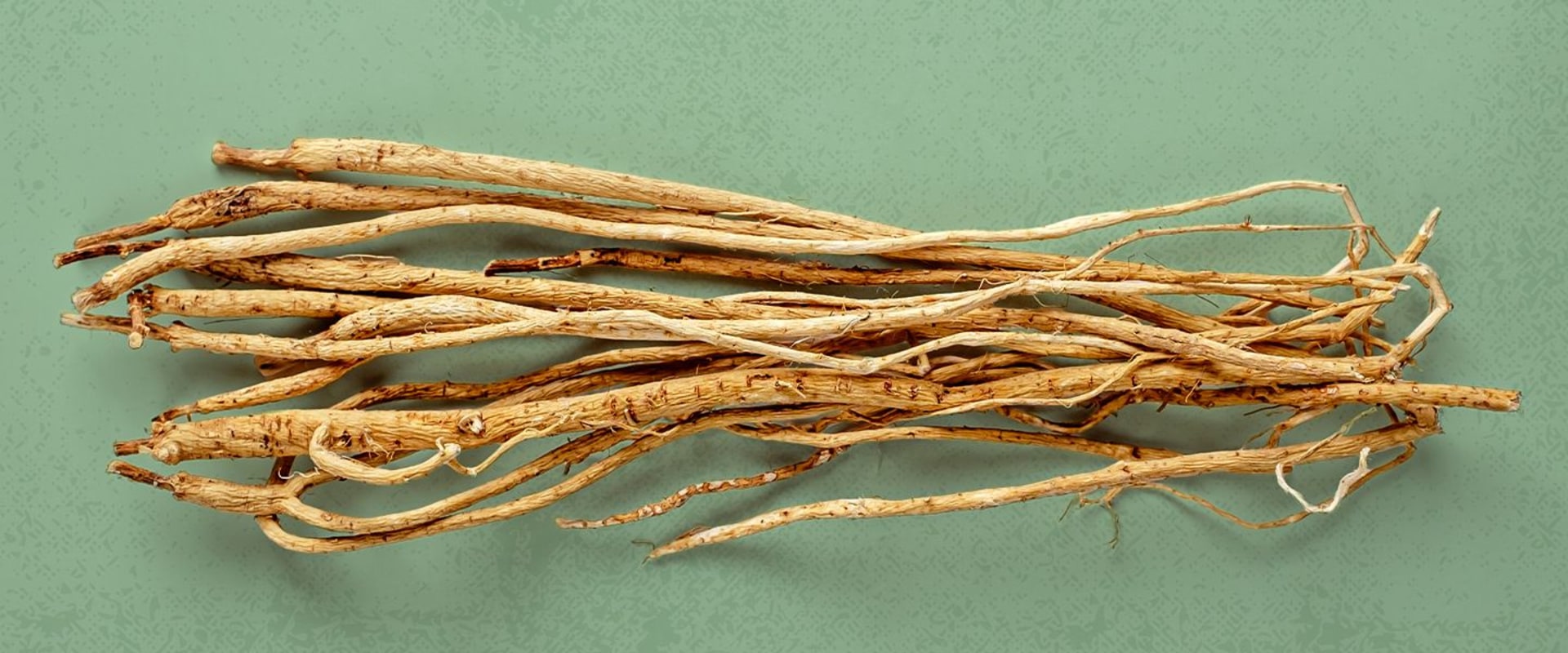
Astragalus, a member of the legume family, has been revered in traditional Chinese medicine for over two millennia. Known scientifically as Astragalus membranaceus, this herb is often referred to as milk vetch or huang qi. Its roots are the primary part used for medicinal purposes, celebrated for their rich content of active compounds such as polysaccharides, saponins, and flavonoids. These components are believed to contribute to a variety of health benefits, making astragalus a popular choice among herbal supplements. The historical significance of astragalus cannot be overstated.
Ancient practitioners utilized it to enhance vitality and support overall health. Today, modern research has begun to validate many of these traditional uses, highlighting its potential in boosting the immune system, reducing inflammation, and even promoting heart health. The herb is often recommended for individuals seeking natural ways to enhance their well-being and resilience against common ailments. Among the most notable astragalus benefits are its immune-boosting properties. Studies suggest that astragalus may help stimulate the production of white blood cells, which play a crucial role in defending the body against infections.
Additionally, its anti-inflammatory effects can aid in managing chronic conditions characterized by inflammation. Furthermore, some research indicates that astragalus may possess antioxidant properties, helping to combat oxidative stress and support healthy aging. While the benefits of astragalus are compelling, it is essential to approach its use with caution. Understanding when this powerful herb may not be suitable is crucial for ensuring safety and effectiveness. In the following sections, we will explore specific situations where taking astragalus might not be advisable, allowing you to make informed decisions about your health.
The Health Benefits of Astragalus
Astragalus, a staple in traditional Chinese medicine, is renowned for its myriad of health benefits.This herb has gained popularity in the Western world due to its impressive properties that support overall well-being. Understanding these benefits is essential for anyone considering incorporating astragalus into their health regimen. One of the most significant advantages of astragalus is its ability to bolster the immune system. Research indicates that astragalus can enhance the production of white blood cells, which play a crucial role in defending the body against infections and diseases. By stimulating the immune response, this herb may help reduce the frequency and severity of colds and other illnesses, making it a valuable ally during flu season. In addition to its immune-boosting properties, astragalus is also recognized for its anti-inflammatory effects.
Chronic inflammation is linked to various health issues, including heart disease, diabetes, and certain cancers. Astragalus contains potent antioxidants that combat oxidative stress and inflammation in the body. By mitigating these factors, it may contribute to better cardiovascular health and lower the risk of chronic diseases. Moreover, astragalus is believed to possess anti-aging benefits. The herb's active compounds, such as polysaccharides and saponins, are thought to promote cellular regeneration and protect against age-related decline.
Some studies suggest that astragalus may enhance skin elasticity and hydration, leading to a more youthful appearance. Furthermore, astragalus has been shown to support heart health. It may help regulate blood pressure and improve circulation by relaxing blood vessels. This can lead to a reduced risk of heart-related issues and promote overall cardiovascular wellness. In summary, the benefits of astragalus are extensive, ranging from immune support to anti-inflammatory and anti-aging properties. As with any supplement, it is essential to consult with a healthcare provider before starting any new regimen to ensure it aligns with your individual health needs.
When to Avoid Taking Astragalus
Astragalus is widely recognized for its numerous health benefits, particularly in enhancing immune function and reducing inflammation.However, there are specific circumstances where the use of this herb may not be advisable. Understanding these contraindications is crucial for ensuring safe consumption.
Pregnancy and Breastfeeding
For women who are pregnant or breastfeeding, it is generally recommended to avoid taking astragalus. The lack of comprehensive research on its safety during these critical periods raises concerns. While some herbs can be beneficial, others may pose risks to both the mother and child.
Therefore, consulting with a healthcare provider before introducing any new supplement during pregnancy or lactation is essential.
Autoimmune Disorders
Astragalus is known for its immune-boosting properties, which can be advantageous for many individuals. However, for those with autoimmune disorders—conditions where the immune system mistakenly attacks healthy cells—taking astragalus may exacerbate symptoms. The stimulation of the immune system could lead to increased inflammation and further complications. It is advisable for individuals with such conditions to seek medical advice before using this herb.
Organ Transplant Recipients
If you have undergone an organ transplant, it is critical to avoid astragalus.
This herb can interact with immunosuppressant medications that are vital for preventing organ rejection. The potential interference with these medications could jeopardize the success of the transplant and overall health. Always inform your healthcare provider about any supplements you are considering.
Allergies
Individuals with known allergies to plants in the legume family, such as peanuts or soybeans, should exercise caution when considering astragalus. There is a possibility of an allergic reaction due to cross-reactivity among legumes.
If you have a history of such allergies, it is prudent to consult a healthcare professional before using this herb.
Surgery
For those scheduled for surgery, it is advisable to discontinue the use of astragalus at least two weeks prior to the procedure. This herb may affect blood clotting and increase the risk of bleeding during surgery. Always communicate with your healthcare provider about any supplements you are taking leading up to surgical procedures.
Other Considerations
- If you are on medications for high blood pressure, diabetes, or blood thinners, consult your doctor before taking astragalus, as interactions may occur.
- Astragalus can cause mild side effects such as diarrhea, nausea, or skin rashes in some individuals. If you experience any adverse reactions, discontinue use and seek medical advice.
Being aware of these safety concerns and contraindications can help ensure that you use this herb safely and effectively.
Pregnancy and Breastfeeding: Caution with Astragalus
When it comes to taking astragalus during pregnancy and breastfeeding, caution is paramount. While astragalus is celebrated for its numerous health benefits, including immune support and anti-inflammatory properties, the implications of its use in these sensitive periods are not well understood. Currently, there is a significant lack of research regarding the safety of astragalus during pregnancy. Most studies focus on its effects in general populations, leaving a gap in knowledge about how it may affect pregnant women and their developing fetuses. The absence of comprehensive studies means that potential risks remain largely unknown.Therefore, it is advisable for pregnant women to avoid using astragalus unless specifically directed by a healthcare professional.
Similarly, the safety of astragalus while breastfeeding is also not well established. The compounds found in astragalus could potentially pass into breast milk, which raises concerns about their effects on nursing infants. Given that infants have developing immune systems and are more vulnerable to substances that may cause adverse reactions, it is crucial to err on the side of caution.
Consulting Healthcare Providers
Before considering the use of astragalus or any herbal supplement during pregnancy or while breastfeeding, it is essential to consult with a healthcare provider. A qualified professional can provide personalized advice based on individual health needs and circumstances.
They can also help weigh the potential benefits against any risks associated with the herb. In summary, while astragalus offers various health benefits, its use during pregnancy and breastfeeding should be approached with caution due to the lack of research on its safety in these populations. Always prioritize discussions with healthcare providers to ensure the well-being of both mother and child.
Autoimmune Disorders: Risks of Astragalus Use
Astragalus is widely recognized for its potential health benefits, particularly its ability to enhance the immune system. However, for individuals with autoimmune disorders, the use of astragalus can pose significant risks. Understanding these risks is crucial for anyone managing such conditions.What Are Autoimmune Disorders?
Autoimmune disorders occur when the immune system mistakenly attacks the body’s own healthy cells, leading to inflammation and damage.
Common examples include rheumatoid arthritis, lupus, multiple sclerosis, and Hashimoto's thyroiditis. In these conditions, the immune system is already in a state of overactivity, which can result in various symptoms ranging from fatigue and joint pain to more severe complications.
The Immune-Stimulating Properties of Astragalus
Astragalus contains compounds that are known to stimulate the immune system. These include polysaccharides and saponins, which can enhance the activity of immune cells such as macrophages and T-cells. While this immune boost can be beneficial for healthy individuals looking to prevent illness or enhance recovery, it can be detrimental for those with autoimmune disorders.
Why Autoimmune Patients Should Avoid Astragalus
- Exacerbation of Symptoms: The stimulation of the immune system by astragalus may lead to an increase in autoimmune activity.
This can exacerbate symptoms and lead to flare-ups in conditions like rheumatoid arthritis or lupus.
- Potential for Increased Inflammation: For individuals with autoimmune disorders, increased immune activity can result in heightened inflammation. This not only worsens existing symptoms but can also lead to new complications.
- Interaction with Medications: Many individuals with autoimmune disorders are prescribed immunosuppressive medications to help manage their condition. Taking astragalus alongside these medications may counteract their effects, making it harder to control the autoimmune response.
Consultation is Key
If you have an autoimmune disorder and are considering taking astragalus or any other supplement, it is essential to consult with a healthcare provider. They can provide personalized advice based on your specific condition and treatment plan.
It’s important to prioritize safety and ensure that any supplements you take do not interfere with your health management strategies. In summary, while astragalus benefits many people by boosting immunity and promoting overall health, its use in individuals with autoimmune disorders carries significant risks that should not be overlooked. Always approach supplementation with caution and informed guidance.
Organ Transplant Recipients: The Need for Caution
For individuals who have undergone an organ transplant, the use of astragalus poses significant risks that cannot be overlooked. After a transplant, patients are typically prescribed immunosuppressant medications to prevent their bodies from rejecting the new organ. These medications work by dampening the immune response, allowing the transplanted organ to be accepted as part of the body.However, introducing astragalus into this delicate balance can lead to serious complications.
Astragalus
is renowned for its immune-boosting properties, which can be beneficial for many people. Yet, for transplant recipients, this characteristic becomes a double-edged sword. The herb may stimulate the immune system, potentially counteracting the effects of immunosuppressants. This interaction could increase the risk of organ rejection, which is a critical concern for anyone who has undergone such a life-altering procedure.
Moreover, the specific interactions between astragalus and various immunosuppressant drugs are not fully understood.
While some studies suggest that certain herbs can enhance or inhibit the effectiveness of these medications, comprehensive research on astragalus remains limited. This uncertainty makes it imperative for transplant recipients to exercise caution. In addition to the risk of organ rejection, there are other safety concerns associated with taking astragalus post-transplant:
- Potential Side Effects: Astragalus may cause mild side effects such as gastrointestinal discomfort or allergic reactions. For someone with a compromised immune system, even minor side effects can lead to more significant health issues.
- Drug Interactions: Astragalus may interact with other medications that transplant recipients are taking, further complicating their treatment regimen.
- Lack of Regulation: Herbal supplements like astragalus are not as strictly regulated as pharmaceuticals. This lack of oversight can lead to variations in quality and potency, making it difficult for patients to know exactly what they are consuming.
A healthcare professional can provide personalized advice based on individual health needs and medication regimens. In summary, while astragalus offers numerous health benefits for many individuals, its use is fraught with potential dangers for those who have received an organ transplant. The importance of adhering to prescribed immunosuppressant therapy cannot be overstated; therefore, avoiding astragalus is a prudent choice for ensuring long-term transplant success and overall health.
Allergies: Understanding Potential Reactions to Astragalus
Astragalus, a member of the legume family, is celebrated for its numerous health benefits, particularly its immune-boosting properties. However, for individuals with known allergies to legumes, the use of astragalus can pose significant risks. Understanding these potential allergic reactions is crucial for anyone considering this herb as a supplement.Legume Family Allergies
Allergies to legumes are relatively common and can manifest in various ways.
Common legumes include peanuts, soybeans, lentils, and chickpeas. Individuals who are allergic to one type of legume often find themselves sensitive to others due to shared protein structures. This cross-reactivity means that if you have a known allergy to peanuts or soy, you may also be at risk when consuming astragalus.
Potential Allergic Reactions
Allergic reactions to astragalus can range from mild to severe. Symptoms may include:
- Skin Reactions: Hives, rashes, or eczema can occur as the body reacts to the proteins in astragalus.
- Gastrointestinal Issues: Nausea, vomiting, or diarrhea may arise shortly after ingestion.
- Respiratory Problems: Some individuals may experience difficulty breathing, wheezing, or nasal congestion.
- Anaphylaxis: In rare cases, a severe allergic reaction can occur, leading to anaphylaxis—a life-threatening condition that requires immediate medical attention.
Precautionary Measures
Before incorporating astragalus into your health regimen, consider the following precautions:
- Consultation with Healthcare Providers: Always discuss with your doctor or an allergist before starting any new supplement, especially if you have a history of allergies.
- Patch Testing: If you are unsure about your sensitivity to astragalus, consider conducting a patch test under medical supervision.
- Avoidance of Cross-Contamination: Ensure that any astragalus products you purchase are free from cross-contamination with other legumes.
Understanding your allergy profile and consulting with healthcare professionals can help mitigate risks and ensure safe supplementation.
Surgery: Why You Should Stop Taking Astragalus Pre-Operatively
When preparing for surgery, it is crucial to consider all aspects of your health, including the supplements you are taking. One such supplement that warrants special attention is astragalus. Known for its immune-boosting properties, astragalus can have unintended effects on your body, particularly concerning blood clotting and bleeding risks during surgical procedures.Understanding Blood Clotting and Astragalus
Astragalus has been shown to influence various physiological processes, including those related to the circulatory system. While it may offer numerous health benefits, its potential to affect blood clotting is a significant concern for anyone scheduled for surgery.
The herb can act as a natural anticoagulant, which means it may thin the blood and increase the risk of excessive bleeding during and after surgical procedures. For this reason, healthcare professionals often recommend discontinuing the use of astragalus at least two weeks prior to any surgical intervention. This precaution helps ensure that your blood's clotting ability remains intact, reducing the likelihood of complications such as:
- Excessive Bleeding: During surgery, if your blood does not clot properly, you may experience significant blood loss, which can complicate the procedure and recovery.
- Delayed Healing: Post-operative bleeding can lead to hematomas or other complications that may prolong recovery time.
- Increased Risk of Infection: Excessive bleeding can compromise surgical sites, making them more susceptible to infection.
Pre-Surgery Supplement Advice
If you are taking astragalus or any other supplements, it is essential to inform your surgeon or healthcare provider well in advance of your procedure. They can provide tailored advice based on your specific health needs and the type of surgery you are undergoing. In addition to stopping astragalus, they may recommend other lifestyle changes or adjustments to your medication regimen to ensure a safe surgical experience. In summary, while astragalus offers various health benefits, its impact on blood clotting makes it a supplement to avoid in the weeks leading up to surgery.
Always consult with your healthcare provider for personalized guidance and ensure that you prioritize your safety during surgical procedures.
Other Considerations: Interactions and Side Effects of Astragalus
When considering the use of astragalus, it is essential to be aware of potential side effects and interactions with other medications. While many people may benefit from its properties, understanding these aspects can help ensure safe and effective use.Possible Side Effects of Astragalus
Astragalus is generally well-tolerated, but some individuals may experience mild side effects. Commonly reported side effects include:- Gastrointestinal Issues: Some users may experience nausea, diarrhea, or an upset stomach. These symptoms are usually mild and can often be alleviated by taking the herb with food.
- Allergic Reactions: Individuals with allergies to plants in the legume family, such as peanuts or soybeans, may be at risk for allergic reactions.
Symptoms can include skin rashes, itching, or swelling.
- Fatigue: In rare cases, some users report feeling unusually tired after taking astragalus. If this occurs, it is advisable to discontinue use and consult a healthcare provider.
Drug Interactions with Astragalus
Astragalus may interact with certain medications, which can alter their effectiveness or increase the risk of adverse effects. Key interactions to consider include:- Immunosuppressants: For individuals taking medications to suppress the immune system, such as those following an organ transplant, astragalus may counteract these drugs' effects, potentially leading to organ rejection.
- Blood Thinners: Astragalus may have blood-thinning properties, which could enhance the effects of anticoagulant medications like warfarin. This interaction could increase the risk of bleeding.
- Diabetes Medications: If you are on medication for diabetes, astragalus might lower blood sugar levels.
This effect could lead to hypoglycemia if not monitored closely.
General Precautions with Supplements
When incorporating any supplement into your routine, including astragalus, consider the following precautions:- Consult Your Healthcare Provider: Always discuss with your doctor before starting any new supplement, especially if you have pre-existing health conditions or are taking other medications.
- Start with a Low Dose: If you decide to try astragalus, begin with a lower dose to assess your body's response before gradually increasing it.
- Avoid During Surgery: As mentioned earlier, it is advisable to stop taking astragalus at least two weeks before any scheduled surgery due to its potential effects on blood clotting.
<strong>The Bottom Line</strong>: Navigating Astragalus Use Safely
In conclusion, astragalus is a remarkable herb with a rich history in traditional medicine, particularly for its potential health benefits. Known for its immune-boosting, anti-inflammatory, and antioxidant properties, it has gained popularity among those seeking natural ways to enhance their well-being. However, while the benefits of astragalus are compelling, it is crucial to recognize that this herb is not suitable for everyone. As discussed, there are specific situations where taking astragalus may pose risks. For instance, individuals who are pregnant or breastfeeding should exercise caution due to the lack of comprehensive research on its safety during these periods.Similarly, those with autoimmune disorders should avoid this herb, as its immune-stimulating effects could exacerbate their conditions. Furthermore, organ transplant recipients must refrain from using astragalus due to potential interactions with immunosuppressant medications. Allergies to legumes can also be a significant concern; individuals with such sensitivities should steer clear of this herb to prevent allergic reactions. It is also essential to consider the timing of supplement use. If you are scheduled for surgery, discontinuing astragalus at least two weeks prior is advisable to minimize bleeding risks. Additionally, those on medications for high blood pressure, diabetes, or blood thinners should consult their healthcare provider before incorporating astragalus into their regimen. Ultimately, the safe use of supplements like astragalus hinges on informed decision-making.
Always consult with a healthcare professional before starting any new supplement, especially if you have pre-existing health conditions or are taking other medications. By doing so, you can ensure that you harness the benefits of astragalus while minimizing potential risks. In summary, while astragalus offers numerous health benefits, understanding when to avoid it is equally important. Prioritize your health by making educated choices and seeking guidance from qualified professionals.