Root dossier
The Top 10 Herbs for Liver Health: Exploring Astragalus Benefits
Discover the top 10 herbs for liver health, including the powerful benefits of astragalus. Support your liver naturally with these herbal remedies.

The liver is one of the most vital organs in the human body, playing a crucial role in maintaining overall health and well-being. It is responsible for a multitude of functions, including detoxification, metabolism, and the production of essential proteins. The liver processes nutrients from the food we consume, converts them into energy, and helps regulate blood sugar levels. Additionally, it produces bile, which is necessary for digestion and absorption of fats.
Given its extensive responsibilities, it is no surprise that maintaining optimal liver health is paramount for a functioning body. However, modern lifestyles often pose significant challenges to liver health. Factors such as poor diet, excessive alcohol consumption, sedentary behavior, and exposure to environmental toxins can lead to liver dysfunction and diseases. Conditions like fatty liver disease, hepatitis, and cirrhosis are becoming increasingly common, affecting millions of people worldwide. Understanding the importance of liver health and recognizing the signs of potential issues can empower individuals to take proactive steps toward better well-being. Incorporating lifestyle changes such as a balanced diet rich in antioxidants, regular physical activity, and adequate hydration can significantly enhance liver function.
Moreover, certain herbs have been shown to support liver health by promoting detoxification processes and reducing inflammation. By exploring these natural remedies, individuals can complement their efforts in maintaining a healthy liver. This article will delve into the top 10 herbs known for their beneficial effects on liver health, providing insights into how they work and how they can be integrated into daily routines.
The Role of Herbs in Supporting Liver Health
Herbs have been utilized for centuries in various cultures as a means to promote and maintain liver health. The liver, being a vital organ responsible for detoxification, metabolism, and nutrient storage, requires adequate support to function optimally.Traditional herbal remedies have emerged as a natural approach to enhance liver function and protect against damage. One of the primary mechanisms through which herbs support liver health is by providing antioxidant properties. Antioxidants help neutralize free radicals, which can cause oxidative stress and damage liver cells. For instance, herbs like milk thistlemilk thistle contain silymarin, a compound known for its potent antioxidant effects. Silymarin not only protects liver cells from toxins but also promotes their regeneration. In addition to antioxidant activity, many herbs possess anti-inflammatory properties that can help reduce inflammation in the liver.
Chronic inflammation is a significant contributor to liver diseases such as fatty liver disease and cirrhosis. Herbs like turmeric, with its active ingredient curcumin, have been shown to inhibit inflammatory pathways, thereby supporting overall liver health. Moreover, certain herbs can enhance the liver's ability to detoxify harmful substances. For example, dandelion root has been traditionally used to stimulate bile production, which is essential for digestion and the elimination of toxins. By promoting bile flow, dandelion root aids in the detoxification process and supports healthy digestion. Integrating these herbs into a holistic health approach is crucial for maximizing their benefits.
This means not only using herbal supplements but also adopting a balanced diet rich in fruits, vegetables, and whole grains while minimizing processed foods and alcohol consumption. Regular physical activity and adequate hydration further complement the effects of herbal remedies. In conclusion, the role of herbs in supporting liver health is multifaceted. By harnessing their natural properties—such as antioxidant protection, anti-inflammatory effects, and detoxification support—individuals can take proactive steps toward maintaining optimal liver function. However, it is essential to consult with healthcare professionals before starting any herbal regimen to ensure safety and efficacy tailored to individual health needs.
Top 10 Herbs for Liver Health
When it comes to supporting liver health, a variety of herbs have been recognized for their beneficial properties.Among these, astragalus stands out due to its unique benefits and historical use in traditional medicine. Below, we explore the top 10 herbs known for their positive effects on liver health, including astragalus, detailing their benefits, scientific backing, and potential side effects.
Astragalus
Astragalus is a powerful adaptogen that has been used in traditional Chinese medicine for centuries. It is known for its ability to enhance the immune system and protect against oxidative stress. Recent studies suggest that astragalus may also play a significant role in liver health by promoting liver cell regeneration and reducing inflammation.Research indicates that the active compounds in astragalus, such as saponins and flavonoids, can help mitigate liver damage caused by toxins and support overall liver function.
Milk Thistle
Milk thistle is perhaps the most well-known herb for liver health, primarily due to its active ingredient, silymarin. This compound has been shown to possess potent antioxidant properties that protect liver cells from damage. Numerous studies have demonstrated that milk thistle can improve liver function in individuals with chronic liver diseases, including hepatitis and cirrhosis. While generally safe, some individuals may experience gastrointestinal upset or allergic reactions.Dandelion Root
Dandelion root is another herb celebrated for its liver-supportive properties.It acts as a natural diuretic, helping to flush out toxins from the body. Additionally, dandelion root has been shown to stimulate bile production, which is essential for digestion and detoxification. Some studies suggest that it may also help reduce inflammation in the liver.
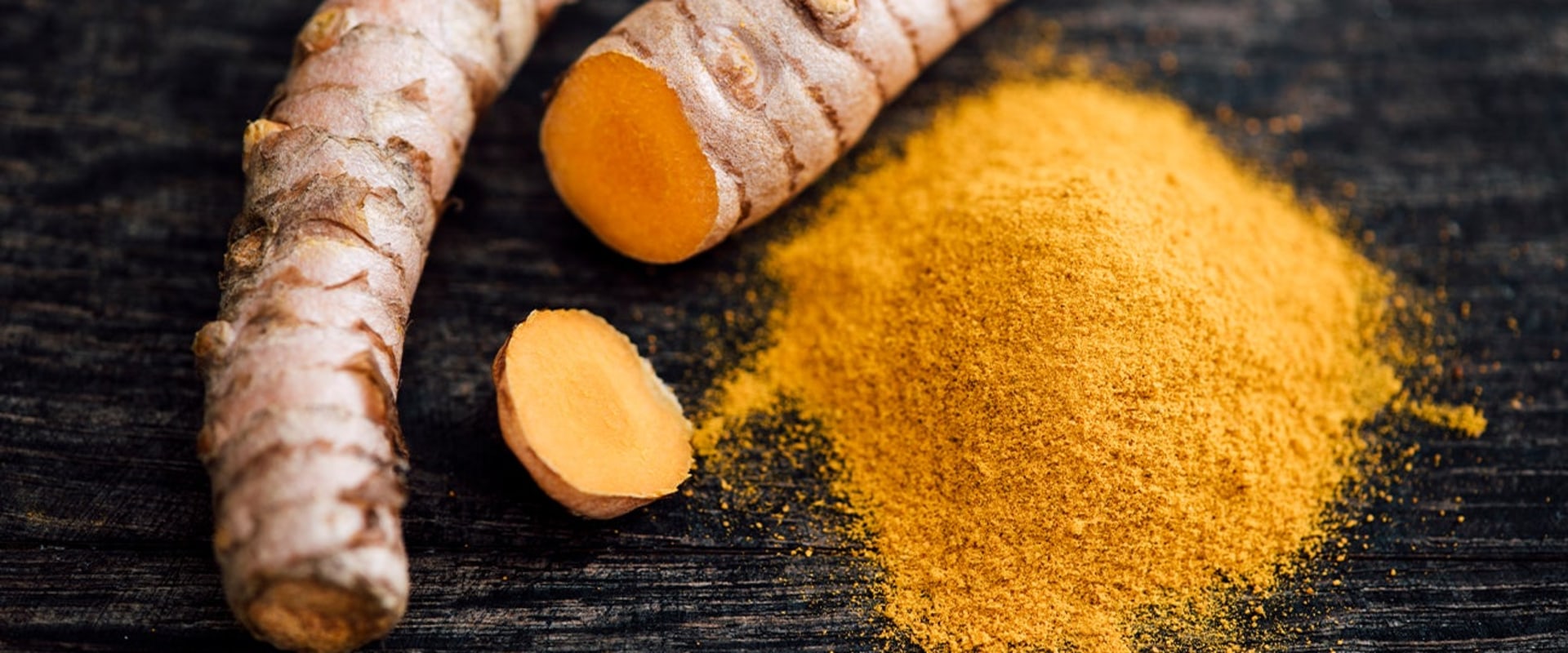
Turmeric
Turmeric contains curcumin, a compound known for its anti-inflammatory and antioxidant effects. Research has indicated that curcumin can help protect the liver from damage caused by free radicals and may even aid in the regeneration of liver cells.However, high doses of turmeric supplements can lead to digestive issues in some individuals.
Artichoke
Artichoke extract has been shown to promote bile production and improve digestion. Studies suggest that it may also help lower cholesterol levels and protect against fatty liver disease. Artichoke is generally considered safe but can cause mild gastrointestinal discomfort in some people.Ginger
Ginger is well-known for its anti-inflammatory properties and has been linked to improved liver function. Research indicates that ginger can help reduce markers of liver damage and inflammation.It is generally safe but may interact with certain medications.
Licorice Root
Licorice root contains glycyrrhizin, which has been shown to have anti-inflammatory and antiviral properties. Some studies suggest that it may help protect the liver from damage caused by alcohol consumption and other toxins. However, excessive use can lead to hypertension and other side effects.Green Tea
Green tea is rich in catechins, which are antioxidants that have been shown to support liver health by reducing fat accumulation in the liver and improving overall function. Drinking green tea regularly is associated with a lower risk of developing liver disease.Ginseng
Ginseng is known for its adaptogenic properties and potential benefits for overall health.Some studies suggest that it may help improve liver function by reducing markers of damage in individuals with chronic hepatitis B.
Garlic
Garlic contains sulfur compounds that are believed to support detoxification processes in the liver. Regular consumption of garlic has been linked to a reduced risk of liver cancer due to its ability to enhance immune function. Incorporating these herbs into your diet or supplement regimen can provide significant benefits for your liver health. However, it's essential to consult with a healthcare professional before starting any new herbal supplements, especially if you have existing health conditions or are taking medications.Astragalus: A Key Player in Liver Health
Astragalus, a perennial plant native to Asia, has been revered in traditional Chinese medicine for centuries due to its numerous health benefits. Among its many properties, astragalus benefits are particularly significant when it comes to supporting liver health.This herb is known for its adaptogenic qualities, which help the body manage stress and enhance overall vitality. One of the primary ways astragalus supports liver function is through its potent antioxidant properties. The liver plays a crucial role in detoxifying the body, and oxidative stress can impair its function. Astragalus contains active compounds such as flavonoids and saponins that help neutralize free radicals, thereby protecting liver cells from damage. Research has shown that astragalus can also promote liver regeneration. A study published in the Journal of Ethnopharmacology highlighted that astragalus extract significantly improved liver function markers in patients with chronic liver disease.
Participants who supplemented with astragalus experienced reductions in alanine aminotransferase (ALT) and aspartate aminotransferase (AST) levels, which are indicators of liver damage. Furthermore, astragalus has been found to enhance the immune response, which is vital for individuals suffering from liver diseases. A study conducted on patients with hepatitis B indicated that those who took astragalus showed improved immune function and a decrease in viral load compared to those who did not use the herb. In addition to its protective effects, astragalus may also aid in reducing inflammation within the liver. Chronic inflammation is a common precursor to various liver conditions, including fatty liver disease and cirrhosis. By modulating inflammatory pathways, astragalus helps maintain a healthier liver environment. While the benefits of astragalus are promising, it is essential to consult with a healthcare professional before incorporating it into your regimen, especially if you have existing health conditions or are taking medications.
Overall, the research surrounding astragalus liver health continues to grow, making it a valuable herb for those looking to support their liver function naturally.
Potential Interactions and Precautions
When considering the use of herbal supplements for liver health, it is crucial to be aware of potential interactions with medications and other herbs. While many herbs offer significant health benefits, they can also influence the effectiveness of prescription drugs or lead to adverse effects when combined with certain substances.Understanding Herb Interactions
- Cytochrome P450 Enzyme System: Many herbs, including astragalus, can affect the cytochrome P450 enzyme system in the liver, which is responsible for metabolizing various medications. For instance, astragalus may enhance the metabolism of certain drugs, potentially reducing their effectiveness.
-
Blood Thinners: Herbs like ginseng and garlic can have blood-thinning properties. When taken alongside anticoagulant medications such as warfarin, they may increase the risk of bleeding.
It is essential to monitor blood clotting levels if combining these herbs with such medications.
- Antidiabetic Medications: Some herbs, including ginger and turmeric, may lower blood sugar levels. If you are on diabetes medication, these herbs could enhance the effects of your medication, leading to hypoglycemia (low blood sugar).
Safety Precautions When Using Herbal Supplements
- Consult a Healthcare Professional: Before starting any herbal supplement regimen, especially if you are taking prescription medications or have underlying health conditions, consult with a healthcare provider. They can help assess potential interactions and recommend safe dosages.
- Start with Low Doses: If you are new to herbal supplements, begin with a low dose to gauge your body's response. Gradually increase the dosage as needed while monitoring for any adverse effects.
-
Avoid Mixing Multiple Herbs: Combining several herbs can complicate interactions and side effects.
It is advisable to introduce one herb at a time and observe its effects before adding another.
- Be Aware of Quality: The quality of herbal supplements can vary significantly between brands. Choose products that are third-party tested for purity and potency to ensure safety and efficacy.
Lifestyle Factors That Affect Liver Health
The health of your liver is influenced by a variety of lifestyle factors that extend beyond the use of herbal remedies. Understanding these factors can empower you to make informed choices that promote optimal liver function and overall well-being.Diet for Liver Health
A balanced diet plays a crucial role in maintaining liver health. Foods rich in antioxidants, vitamins, and minerals can help protect the liver from damage.Here are some dietary recommendations:
- Fruits and Vegetables: Incorporate a variety of colorful fruits and vegetables into your meals. Foods like berries, leafy greens, and cruciferous vegetables (such as broccoli and Brussels sprouts) are particularly beneficial due to their high antioxidant content.
- Whole Grains: Opt for whole grains like brown rice, quinoa, and oats instead of refined grains. Whole grains provide essential nutrients and fiber that support digestive health.
- Healthy Fats: Include sources of healthy fats, such as avocados, nuts, seeds, and olive oil. These fats can help reduce inflammation and support liver function.
-
Lean Proteins: Choose lean protein sources like fish, poultry, beans, and legumes.
These foods provide the necessary building blocks for liver repair and regeneration.
Exercise and Liver Function
Regular physical activity is another vital component of liver health. Exercise helps maintain a healthy weight, reduces fat accumulation in the liver, and improves insulin sensitivity. Aim for at least 150 minutes of moderate-intensity aerobic exercise each week, such as:- Brisk walking
- Cycling
- Swimming
Alcohol Consumption
Alcohol consumption is one of the most significant lifestyle factors affecting liver health. Excessive alcohol intake can lead to fatty liver disease, alcoholic hepatitis, and cirrhosis.To protect your liver:
- Limit Alcohol Intake: If you choose to drink alcohol, do so in moderation. For women, this generally means up to one drink per day; for men, up to two drinks per day.
- Stay Hydrated: Drinking plenty of water can help your liver process alcohol more effectively and reduce its toxic effects.
Stress Management
Chronic stress can negatively impact liver health by increasing inflammation and contributing to unhealthy lifestyle choices. Implementing stress management techniques can be beneficial:- Meditation and Mindfulness: Practices such as meditation or yoga can help reduce stress levels and promote relaxation.
- Sufficient Sleep: Aim for 7-9 hours of quality sleep each night to allow your body to recover and regenerate.
Frequently Asked Questions about Liver Health and Herbs
When it comes to liver health and the use of herbs, many individuals have questions that stem from a mix of curiosity and concern. Below are some of the most frequently asked questions regarding liver health and herbal remedies.What are the signs of liver problems?
Recognizing the signs of liver issues is crucial for early intervention.Common symptoms may include:
- Fatigue: Persistent tiredness that doesn’t improve with rest.
- Jaundice: Yellowing of the skin and eyes, indicating a buildup of bilirubin.
- Abdominal pain: Discomfort or swelling in the upper right abdomen.
- Dark urine: A change in urine color can signal liver dysfunction.
- Pale stools: Light-colored stools may indicate a lack of bile.
Can herbs really improve liver health?
Yes, certain herbs have been shown to support liver function and promote overall health. For instance, milk thistle, known for its active compound silymarin, has been extensively studied for its protective effects on liver cells. Other herbs like turmeric, dandelion root, and licorice root also offer potential benefits by reducing inflammation and promoting detoxification.Are there any side effects associated with herbal remedies?
While many herbs are considered safe, they can interact with medications or cause side effects in some individuals. For example, ginseng may affect blood sugar levels and interact with anticoagulants.It’s essential to consult with a healthcare professional before starting any herbal regimen, especially if you have existing health conditions or are taking other medications.
How long does it take to see results from herbal supplements?
The time it takes to notice improvements can vary widely depending on the herb used, the individual’s health status, and lifestyle factors. Some people may experience benefits within a few weeks, while others might require several months of consistent use. Regular monitoring and consultation with a healthcare provider can help track progress.Can I use herbs alongside conventional treatments?
In many cases, herbs can complement conventional treatments for liver health. However, it’s vital to discuss this with your healthcare provider to avoid potential interactions and ensure a coordinated approach to your treatment plan. By addressing these common questions, individuals can make more informed decisions about their liver health and the role that herbs may play in their wellness journey.Conclusion: Embracing Herbal Support for Liver Health
In summary, the journey towards optimal liver health is multifaceted, requiring a comprehensive approach that integrates both lifestyle modifications and the incorporation of beneficial herbs.Throughout this article, we have explored the remarkable potential of various herbs, including milk thistle, ginseng, green tea, licorice root, turmeric, garlic, ginger, and others, each offering unique properties that can support liver function and overall well-being. It is essential to recognize that while these herbs can provide significant benefits, they are not a substitute for a healthy lifestyle. A balanced diet rich in whole foods, regular physical activity, adequate hydration, and sufficient sleep are foundational elements that contribute to liver health. Additionally, minimizing alcohol consumption and avoiding exposure to environmental toxins can further protect this vital organ. Moreover, understanding the astragalus benefits can also play a crucial role in liver support. Astragalus is known for its immune-boosting properties and its ability to enhance liver function by promoting detoxification processes.
Incorporating astragalus into your herbal regimen may complement the effects of other liver-supportive herbs. As you consider adding herbal supplements to your routine, it is vital to consult with a healthcare professional. They can help tailor a plan that aligns with your individual health needs and ensure that there are no adverse interactions with any medications you may be taking. Ultimately, embracing a holistic approach to liver health means recognizing the interconnectedness of our body systems. By combining the power of nature through herbal support with mindful lifestyle choices, you can foster a healthier liver and enhance your overall vitality. Remember that every small change counts; whether it’s incorporating a new herb into your diet or making conscious choices about what you consume daily, each step brings you closer to achieving optimal liver health.