Root dossier
Unlocking the Healing Power of Astragalus for Gut Health
Discover the healing power of astragalus for gut health. Learn about its benefits, nutritional profile, and how to incorporate it into your diet.

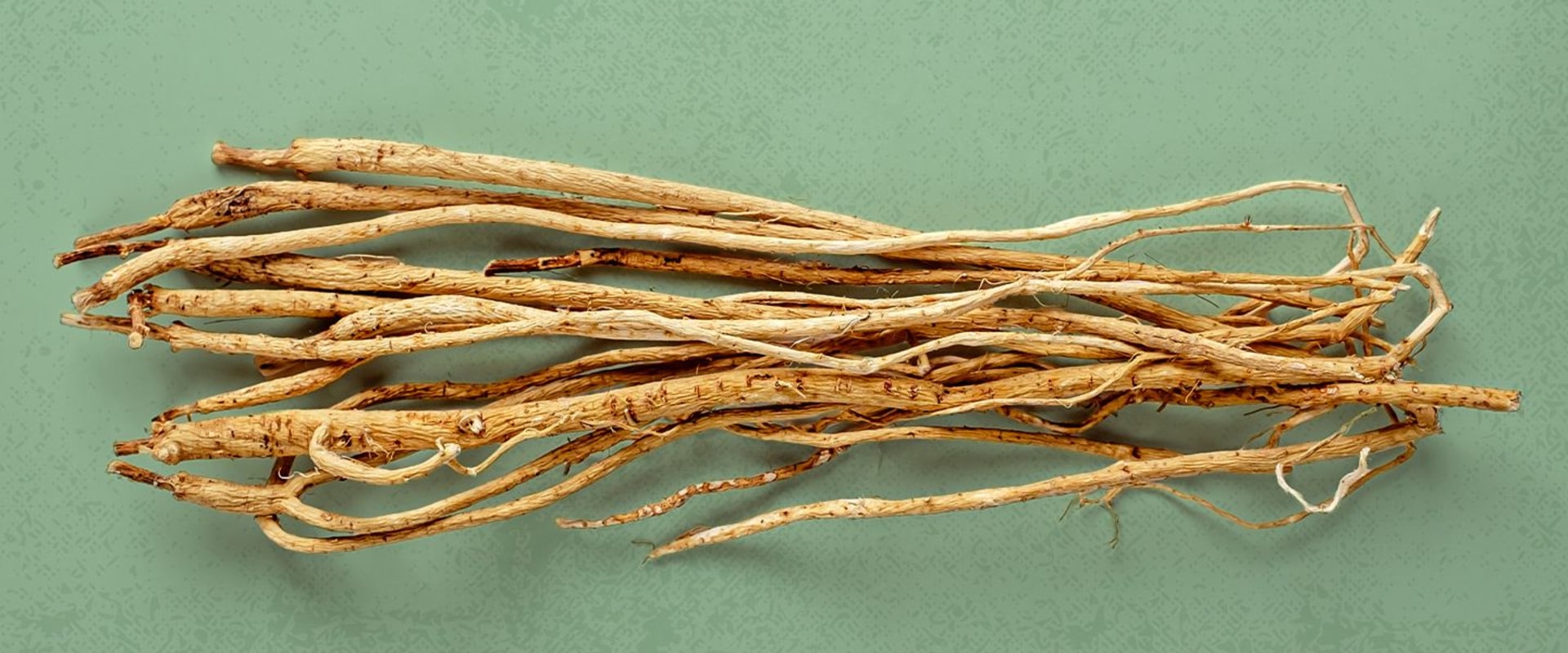
Astragalus, a revered herb in traditional Chinese medicine (TCM), has been utilized for thousands of years to promote overall health and well-being. Known scientifically as Astragalus membranaceus, this plant is often referred to as huang qi or milk vetch. Its roots are the primary part used in herbal remedies, celebrated for their adaptogenic properties that help the body resist stressors and maintain balance. The historical significance of astragalus is profound, as it has been employed not only to enhance vitality but also to support the immune system and combat various ailments, particularly in relation to hormonal imbalances and inflammation understanding the link. In TCM, astragalus is classified as a tonic herb, meaning it is believed to strengthen the body's vital energy, or or milk vetch. Its roots are the primary part used in herbal remedies, celebrated for their adaptogenic properties that help the body resist stressors and maintain balance. The historical significance of astragalus is profound, as it has been employed not only to enhance vitality but also to support the immune system and combat various ailments, particularly in relation to hormonal imbalances and inflammation understanding the link. In TCM, astragalus is classified as a tonic herb, meaning it is believed to strengthen the body's vital energy, or qi.
This classification underscores its role in promoting longevity and vitality. The herb is often combined with other medicinal plants to create synergistic effects, enhancing its therapeutic potential. As modern science begins to validate these ancient practices, the benefits of astragalus are gaining recognition beyond traditional applications, particularly in relation to gut health. The gut microbiome plays a crucial role in our overall health, influencing everything from digestion to immune function. Recent studies have begun to explore how astragalus can positively impact gut health by modulating the intestinal microbiota. are gaining recognition beyond traditional applications, particularly in relation to gut health. The gut microbiome plays a crucial role in our overall health, influencing everything from digestion to immune function. Recent studies have begun to explore how astragalus can positively impact gut health by modulating the intestinal microbiota.
This connection between astragalus and gut health opens up exciting possibilities for using this ancient remedy in contemporary wellness practices. By understanding the historical context and traditional uses of astragalus, we can better appreciate its potential benefits and how it may serve as a valuable addition to modern health regimens.
The Nutritional Profile of Astragalus
Astragalus, a staple in traditional Chinese medicine, is renowned not only for its medicinal properties but also for its impressive nutritional profile. This herb is rich in various bioactive compounds that contribute significantly to its health benefits, particularly for gut health. One of the most notable components of astragalus is its polysaccharides. These complex carbohydrates are known for their immune-boosting and anti-inflammatory properties.Astragalus polysaccharides (APS) have been shown to enhance the activity of immune cells, such as macrophages and lymphocytes, which play a crucial role in defending the body against pathogens. Additionally, APS can help modulate gut microbiota, promoting a balanced intestinal environment that is essential for optimal digestion and nutrient absorption. In addition to polysaccharides, astragalus contains a variety of antioxidants , including flavonoids and saponins. These compounds are vital in combating oxidative stress, which can lead to cellular damage and various chronic diseases. By neutralizing free radicals, antioxidants in astragalus help protect the gut lining from inflammation and damage, thereby supporting overall gut health. The nutritional benefits of astragalus extend beyond just polysaccharides and antioxidants.
The herb also contains essential vitamins and minerals such as:
- Vitamin C: Known for its immune-supporting properties.
- Vitamin E: An antioxidant that helps protect cells from oxidative damage.
- Zinc: Important for immune function and gut health.
- Iron: Essential for oxygen transport and energy production.
How Astragalus Supports Gut Health
Astragalus, a revered herb in traditional Chinese medicine, has garnered attention for its multifaceted benefits, particularly in promoting gut health. This ancient remedy is not just a relic of the past; modern research is beginning to unveil its potential in enhancing digestive function and supporting the intestinal microbiota. One of the primary ways astragalus contributes to gut health is through its ability to modulate the composition of the intestinal microbiota.A balanced microbiome is crucial for optimal digestion, nutrient absorption, and immune function. Studies have shown that astragalus can increase microbial diversity, which is often associated with better health outcomes. By fostering a diverse gut flora, astragalus helps create an environment where beneficial bacteria can thrive while inhibiting the growth of harmful pathogens. Moreover, astragalus contains polysaccharides that exhibit prebiotic properties. These compounds serve as food for beneficial gut bacteria, promoting their growth and activity.
As these good bacteria flourish, they produce short-chain fatty acids (SCFAs) like butyrate, which play a vital role in maintaining gut integrity and reducing inflammation. This anti-inflammatory effect is particularly important for individuals suffering from digestive disorders such as irritable bowel syndrome (IBS) or inflammatory bowel disease (IBD). In addition to its effects on the microbiome, astragalus also supports the gut lining's health. A robust intestinal barrier prevents harmful substances from entering the bloodstream, thereby reducing the risk of systemic inflammation and autoimmune responses. Astragalus has been shown to enhance the production of mucin, a key component of the protective mucus layer in the intestines.
This action not only fortifies the gut barrier but also aids in digestion by facilitating smoother passage of food through the gastrointestinal tract. Furthermore, astragalus may help alleviate digestive discomfort by promoting regular bowel movements and reducing bloating. Its gentle diuretic properties can assist in flushing out toxins and excess waste from the body, contributing to overall digestive wellness. In summary, incorporating astragalus into your wellness routine may offer significant gut health benefits. From enhancing microbial diversity to strengthening the intestinal barrier and promoting digestive comfort, this powerful herb stands out as a natural ally for those seeking to improve their digestive health.
The Role of Astragalus in Immune Function
Astragalus, a cornerstone of traditional Chinese medicine, is renowned for its ability to bolster the immune system. This herb contains a variety of bioactive compounds, including polysaccharides, flavonoids, and saponins, which work synergistically to enhance immune function.By stimulating the production of white blood cells and promoting the activity of immune cells such as macrophages and natural killer cells, astragalus plays a crucial role in defending the body against pathogens. One of the most significant aspects of astragalus is its ability to modulate the immune response. This means that it can help balance the immune system, making it more effective without overreacting. Such regulation is particularly important in preventing autoimmune disorders, where the immune system mistakenly attacks healthy cells. By supporting a well-functioning immune system, astragalus indirectly contributes to gut health , as a robust immune response is essential for maintaining the integrity of the gut barrier.
Astragalus and Inflammation
In addition to its immune-boosting properties, astragalus exhibits potent anti-inflammatory effects.Chronic inflammation is a common underlying factor in many health issues, including digestive disorders. The polysaccharides found in astragalus have been shown to inhibit inflammatory pathways, reducing the production of pro-inflammatory cytokines. This action not only helps alleviate inflammation but also supports overall gut health by minimizing damage to the intestinal lining. Furthermore, studies have indicated that astragalus can enhance gut microbiota diversity. A balanced microbiome is vital for optimal digestion and nutrient absorption, as well as for preventing gastrointestinal diseases.
By fostering a healthy microbial environment, astragalus aids in maintaining a strong gut barrier and preventing conditions such as leaky gut syndrome. In summary, the benefits of astragalus extend beyond mere immune support; its anti-inflammatory properties and ability to promote gut health make it a valuable addition to any wellness regimen. As research continues to unveil the complexities of this remarkable herb, its role in enhancing immune health and supporting gut integrity will undoubtedly become more pronounced.
Research Insights: Astragalus and Gut Microbiota
Recent research has increasingly focused on the role of astragalus in modulating gut microbiota, revealing its potential as a natural therapeutic agent for enhancing gut health. Studies have shown that astragalus can significantly influence the composition and diversity of gut microbiota, which is crucial for maintaining overall health. One notable study conducted on mice with type 2 diabetes demonstrated that administration of astragalus not only prevented increases in fasting blood glucose levels but also enhanced microbial diversity within the gut. This study highlighted the ability of astragalus to enrich beneficial bacterial populations while suppressing harmful ones, thereby promoting a balanced gut environment. Furthermore, the polysaccharides found in astragalus, particularly astragalus polysaccharide (APS), have been identified as key components responsible for these beneficial effects.APS exhibits strong anti-inflammatory and antioxidant properties, which contribute to its ability to support gut health by reducing inflammation and oxidative stress within the gastrointestinal tract. Another research effort explored the specific bacterial phyla affected by astragalus supplementation. The findings indicated a significant increase in the abundance of beneficial bacteria such as Firmicutes and Acidobacteria, which are known to play vital roles in metabolic processes and immune regulation. In contrast, harmful bacteria were found to be less prevalent in subjects receiving astragalus, suggesting a protective effect against dysbiosis. The implications of these findings extend beyond just gut health; they suggest that astragalus may also play a role in managing conditions like obesity and diabetes by improving insulin sensitivity through its impact on gut microbiota. As researchers continue to investigate the intricate relationship between astragalus, gut microbiota, and metabolic health, it becomes increasingly clear that this ancient herb holds promise as a natural remedy for modern health challenges. In conclusion, the scientific evidence supporting the benefits of astragalus on gut microbiota is compelling.
As more studies emerge, they will likely provide deeper insights into how this herb can be effectively utilized in both traditional and contemporary health practices.
Potential Benefits of Astragalus for Specific Conditions
Astragalus, a staple in traditional Chinese medicine, has garnered attention for its potential benefits in managing various gastrointestinal conditions, particularly type 2 diabetes and irritable bowel syndrome (IBS). Understanding how this herb interacts with these specific health issues can provide valuable insights for those seeking natural remedies.Astragalus Benefits for Diabetes
Type 2 diabetes is characterized by insulin resistance and impaired glucose metabolism. Recent studies have indicated that astragalus may play a significant role in improving insulin sensitivity and regulating blood sugar levels. The active compounds in astragalus, particularly astragalus polysaccharides (APS) , have been shown to enhance the function of pancreatic beta cells, which are crucial for insulin production. Moreover, astragalus appears to influence the gut microbiota, promoting a healthier balance of beneficial bacteria.This alteration in the microbiome can lead to improved metabolic health, which is essential for individuals managing diabetes. By enhancing microbial diversity and richness, astragalus may help mitigate some of the complications associated with diabetes, such as inflammation and oxidative stress.
Astragalus for Irritable Bowel Syndrome (IBS)
Irritable bowel syndrome is a common gastrointestinal disorder that affects the large intestine, leading to symptoms such as abdominal pain, bloating, and irregular bowel movements. The anti-inflammatory properties of astragalus can be particularly beneficial for individuals suffering from IBS. By reducing inflammation in the gut lining, astragalus may help alleviate some of the discomfort associated with this condition. Additionally, astragalus has been noted for its ability to strengthen the intestinal barrier.A compromised gut barrier can lead to increased permeability, often referred to as "leaky gut," which is linked to various gastrointestinal disorders including IBS. By supporting gut integrity, astragalus may help prevent the exacerbation of IBS symptoms.
Chronic Conditions and Astragalus
Beyond diabetes and IBS, astragalus shows promise in addressing other chronic conditions that impact gut health. Its adaptogenic properties help the body manage stress more effectively, which is crucial since stress can significantly affect digestive health. Furthermore, astragalus has been studied for its potential role in supporting liver function and detoxification processes, both of which are vital for maintaining overall gut health. In summary, the potential benefits of astragalus extend beyond traditional uses.Its ability to support metabolic health in type 2 diabetes, alleviate symptoms of IBS through anti-inflammatory effects, and bolster overall gut integrity makes it a valuable addition to the wellness toolkit for those dealing with chronic gastrointestinal conditions.
How to Incorporate Astragalus into Your Diet
Incorporating astragalus into your daily diet can be a rewarding way to harness its numerous health benefits, particularly for gut health. Here are some practical tips on how to use astragalus effectively, along with dosage recommendations and creative recipes.How to Use Astragalus
Astragalus is available in various forms, including powders, capsules, tinctures, and dried root. Each form has its unique advantages:- Powder: This versatile form can be easily added to smoothies, soups, or teas.
- Capsules: A convenient option for those who prefer a quick and easy way to consume astragalus without any preparation.
- Tinctures: These liquid extracts can be taken directly or mixed into beverages for a concentrated dose.
- Dried Root: Often used in traditional cooking, dried astragalus root can be simmered in broths or stews.
Dosage Recommendations
The appropriate dosage of astragalus can vary based on individual health needs and the form of the herb. Generally, the following guidelines are recommended:- Powder: 1 to 3 teaspoons per day.
- Capsules: 500 mg to 1,000 mg taken two to three times daily.
- Tinctures: 1 to 2 ml taken two to three times daily.
- Dried Root: 9 to 30 grams per day when used in cooking or teas.
Astragalus Recipes
Here are a couple of simple recipes that incorporate astragalus into your meals:-
Astragalus Chicken Soup :
- Ingredients: 1 whole chicken, 2 tablespoons astragalus powder, 4 carrots (chopped), 4 celery stalks (chopped), 1 onion (diced), salt and pepper to taste.
- Instructions: In a large pot, combine all ingredients with enough water to cover.
Bring to a boil, then reduce heat and simmer for at least 2 hours. Strain the broth and enjoy the nourishing soup.
-
Astragalus Smoothie :
- Ingredients: 1 banana, 1 cup spinach, 1 tablespoon astragalus powder, 1 cup almond milk, and a handful of ice.
- Instructions: Blend all ingredients until smooth. This refreshing smoothie is not only delicious but also packed with nutrients!
Frequently Asked Questions About Astragalus and Gut Health
As interest in natural remedies grows, many people are turning to astragalus for its potential benefits, particularly regarding gut health. Below are some frequently asked questions that can help clarify the role of astragalus in supporting digestive wellness.What is astragalus and how does it support gut health?
Astragalus, a staple in traditional Chinese medicine, is renowned for its immune-boosting properties.It contains polysaccharides and flavonoids that may enhance gut health by promoting a balanced intestinal microbiota. This balance is crucial for digestion, nutrient absorption, and overall health.
Can astragalus help with digestive disorders?
While research is still emerging, some studies suggest that astragalus may aid in managing digestive disorders such as irritable bowel syndrome (IBS) and inflammatory bowel disease (IBD). Its anti-inflammatory properties can help soothe the gut lining and reduce symptoms associated with these conditions.How should I take astragalus for gut health?
Astragalus is available in various forms, including capsules, powders, and teas. A typical dosage ranges from 9 to 30 grams per day, but it’s essential to consult with a healthcare provider to determine the best form and dosage for your specific needs.Are there any side effects associated with astragalus?
Generally considered safe for most people, astragalus can cause mild side effects such as gastrointestinal upset or allergic reactions in some individuals.It’s crucial to consult a healthcare professional before starting any new supplement, especially if you have underlying health conditions or are taking medications.
Can I combine astragalus with other supplements?
Astragalus can be combined with other herbal supplements that support gut health, such as probiotics or ginger. However, it’s important to discuss any combinations with a healthcare provider to avoid potential interactions.Where can I find high-quality astragalus supplements?
Look for reputable brands that provide third-party testing and transparent ingredient sourcing. Health food stores and online retailers often carry high-quality astragalus products. Always check reviews and certifications to ensure you’re purchasing a reliable supplement. By addressing these common questions about astragalus, we hope to enhance your understanding of its potential benefits for gut health.As always, individual experiences may vary, so personal research and professional guidance are recommended.
Conclusion: Embracing the Healing Power of Astragalus for Optimal Gut Health
In conclusion, the exploration of astragalus benefits for gut health reveals a promising avenue for enhancing overall well-being. This ancient herb, revered in traditional Chinese medicine, has shown significant potential in supporting the intestinal microbiota, which plays a crucial role in digestive health and metabolic regulation. Astragalus is not just a remedy; it is a multifaceted herb that offers a range of health benefits. Its ability to strengthen the immune system, reduce inflammation, and promote gut integrity makes it an invaluable addition to any health regimen. The polysaccharides found in astragalus, particularly astragalus polysaccharide (APS), have been identified as key components that contribute to its therapeutic effects.These compounds help modulate the gut microbiome, fostering a diverse and balanced microbial environment that is essential for optimal digestion and nutrient absorption. Moreover, the findings from recent studies underscore the herb's potential in managing conditions such as type 2 diabetes by influencing insulin sensitivity and altering bacterial populations within the gut. This connection between gut health and metabolic disorders highlights the importance of maintaining a healthy microbiome, which can be supported through natural means like astragalus. As we embrace the healing power of astragalus, it is essential to approach its use with mindfulness. Consulting healthcare professionals before incorporating this herb into your routine is advisable, especially for individuals with pre-existing medical conditions or those taking medications that may interact with astragalus. In summary, integrating astragalus into your lifestyle could be a transformative step towards achieving better gut health. By harnessing its natural properties, you can support your body’s defenses, enhance digestive function, and promote a balanced microbiome.
As research continues to unfold, the full spectrum of astragalus benefits will likely become even clearer, solidifying its place as a cornerstone of holistic health practices.